
When you buy home insurance coverage, a financial safety net for your house and belongings against damage, theft, or liability. Also known as homeowners insurance, it’s not just a lender requirement—it’s your first line of defense when something goes wrong. Most people think it covers everything, but that’s where things get messy. A burst pipe? Covered. Flood from a storm? Usually not. A tree falls on your roof? Yes. Your kid breaks a neighbor’s window? That’s liability—also covered. But if you’re missing key add-ons, you could be left paying thousands out of pocket.
There’s a big difference between home insurance rates, what you pay monthly based on location, age of home, and claims history and what the policy actually pays out. In 2024, average premiums rose nearly 9% across the UK, not because insurers are greedy, but because rebuilding costs and weather damage are skyrocketing. If you haven’t reviewed your coverage in the last two years, you’re probably underinsured. Many policies still use outdated rebuild values—some by 30% or more. And if you’ve added a conservatory, upgraded your kitchen, or installed a home office, your contents limit might not cover it anymore.
Then there’s the home insurance claims, the process of getting paid after damage or loss. People delay filing because they think it’ll raise their rates. But one claim won’t tank your premium if it’s not your fault—like a storm or burglary. What will hurt? Filing multiple claims in a few years, or skipping repairs that lead to bigger damage. Insurers check claims history like a credit report. And if you wait too long to report damage, they can deny it outright.
Switching isn’t just about saving money—it’s about getting the right protection. The home insurance switch, the process of changing providers without losing coverage is easier than most think. You don’t need to wait for renewal. Most insurers let you cancel early with a prorated refund. But don’t just pick the cheapest quote. Check what’s excluded. Some policies don’t cover subsidence in older homes. Others cap payouts for high-value items like jewelry. And don’t assume your landlord’s policy covers you if you’re renting—tenants need their own contents insurance.
What you’ll find below are real, no-fluff guides based on what actually happened to homeowners last year. From why premiums jumped in Worcestershire to how one family saved £400 by fixing a coverage gap they didn’t even know existed. You’ll see how to spot a weak policy, what to ask your insurer before signing, and why switching mid-year might be smarter than waiting. No jargon. No upsells. Just what works when your house is on the line.
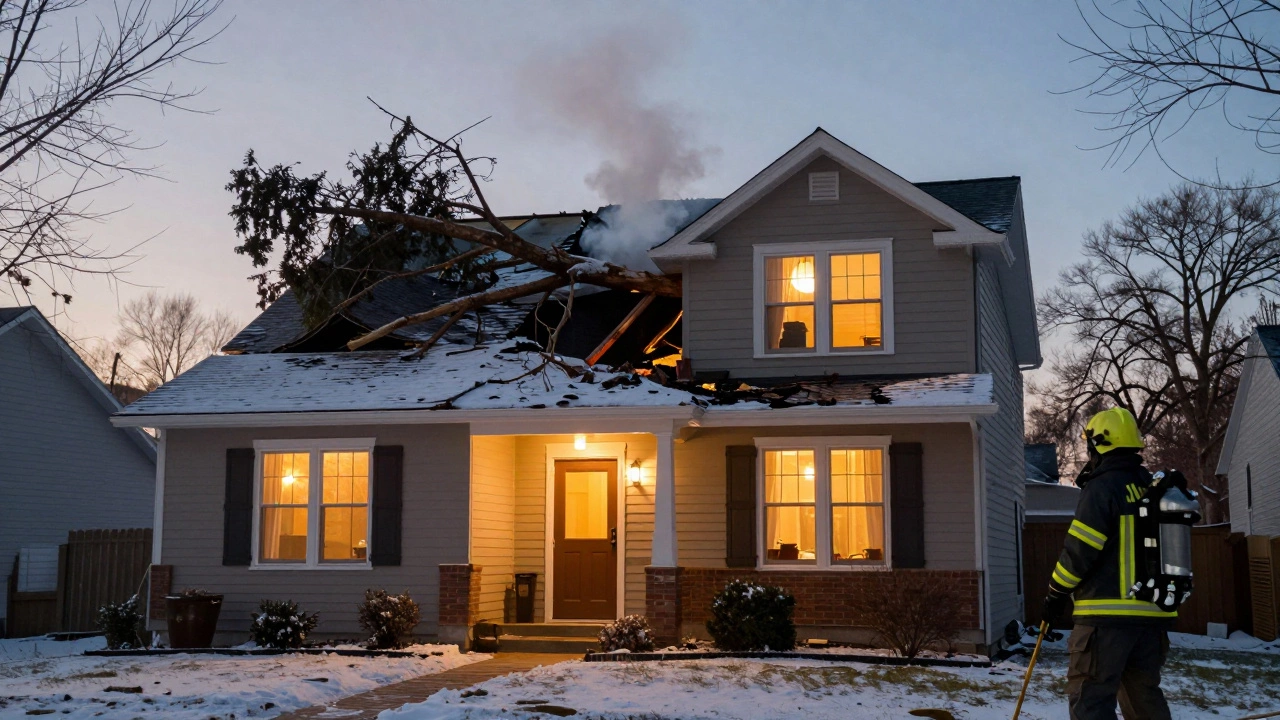
Learn the four essential coverages in a homeowners insurance policy: dwelling, other structures, personal property, liability, and additional living expenses. Know what’s included-and what’s not-to protect your home and assets.

Home insurance covers your house, belongings, liability, and living expenses if you're displaced. But not everything - floods, wear and tear, and high-value items often need extra coverage.