
Debt Relief Impact Simulator
Step 1: Select Your Debt Relief Method
Choose the strategy you're considering to see its estimated impact
Debt Settlement
Severe DropNegotiate to pay less than owed by stopping payments temporarily
- Missed payments reported
- Accounts charged off
- Taxable forgiven amount
Consolidation Loan
Minor DipNew loan pays off existing debts; continue making payments
- Hard inquiry only
- Lower utilization
- Faster recovery
Debt Management Plan
Moderate DropCounselor negotiates lower rates; you pay full amount
- Accounts closed
- No missed payments
- Steady recovery
Bankruptcy
CatastrophicLegal discharge of overwhelming debt (Chapter 7 or 13)
- Remains 7-10 years
- All debts discharged
- Last resort option
Your Current Situation
You’re drowning in bills. The phone calls from collectors are constant, and the stress is eating you alive. You hear about debt relief as a lifeline, but then comes the warning: it might wreck your credit score. It’s a terrifying trade-off. Do you save your financial future by sacrificing your credit rating? Or do you keep paying and risk bankruptcy?
The short answer is yes, most forms of debt relief hurt your credit score initially. But here is the nuance that matters: your credit score is already taking a hit if you are behind on payments. Debt relief is often the fastest way to stop the bleeding and start rebuilding. Understanding exactly how different strategies affect your credit report helps you choose the right path without panic.
Why Your Credit Score Drops with Debt Relief
To understand the damage, you need to know what lenders look at. Your credit score isn’t just a number; it’s a prediction of risk. When you enter a debt relief program, you signal to lenders that you cannot manage your current obligations. This triggers several negative markers on your credit file.
First, consider the status of your accounts. If you use debt settlement, you stop paying your creditors while saving up a lump sum to negotiate a lower payoff. During this time, your accounts go delinquent. Missed payments account for 35% of your FICO score. Even one missed payment can drop your score by 100 points or more. Multiple missed payments create a pattern of default that stays on your record for seven years.
Second, there is the issue of debt-to-income ratio and available credit. Some programs require you to close old credit cards. This reduces your total available credit, which spikes your utilization rate. High utilization tells lenders you are over-leveraged. Even if you pay off the balance, the act of closing accounts can temporarily lower your score because it shortens your average age of credit history.
Debt Settlement vs. Debt Consolidation: A Tale of Two Impacts
Not all debt relief is created equal. The impact on your credit depends entirely on the method you choose. Let’s break down the two most common approaches.
| Method | Credit Impact (Short-Term) | Credit Impact (Long-Term) | Best For |
|---|---|---|---|
| Debt Settlement | Severe Drop (Missed payments, charged-offs) | Moderate Recovery (Paid settled status remains) | High unsecured debt, severe hardship |
| Debt Consolidation Loan | Minor Dip (Hard inquiry, new account) | Significant Improvement (Lower utilization, on-time payments) | Good credit, multiple high-interest cards |
| Debt Management Plan (DMP) | Moderate Drop (Accounts closed, reported as 'special arrangement') | Steady Recovery (On-time payments resume) | Willing to pay full amount, needs counseling |
| Bankruptcy | Catastrophic Drop (Chapter 7 or 13 filing) | Slow Recovery (Remains for 7-10 years) | Overwhelming debt, no other options |
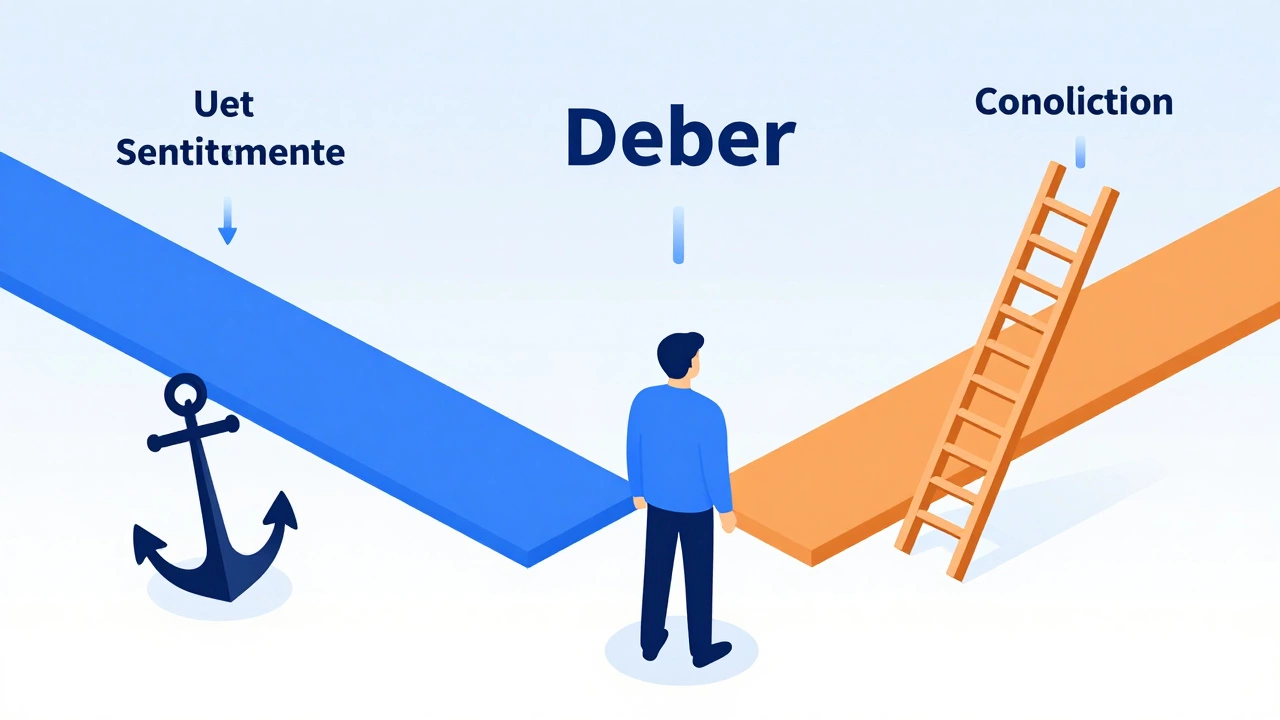
Debt settlement is the nuclear option. You negotiate with creditors to pay less than you owe. In exchange, they accept a fraction of the debt. However, to get them to the table, you must fall behind on payments. Your credit card company reports these accounts as "charged off" or "settled." This notation stays on your credit report for seven years from the date of the first missed payment. It screams "high risk" to any future lender.
In contrast, a debt consolidation loan works differently. You take out a new loan to pay off existing debts. You still owe the full amount, so you don’t miss payments. The only immediate hit is a hard inquiry on your credit report when you apply, which drops your score by a few points. Over time, if you make consistent payments and lower your credit card balances, your score actually improves faster than it would with settlement.
The Hidden Tax: Taxable Income from Forgiven Debt
There is another angle to debt relief that people often forget until it’s too late: taxes. When you settle a debt for less than you owe, the forgiven amount is considered income by the Australian Taxation Office (ATO) and the IRS in the US. If you owed $20,000 and settled for $10,000, that $10,000 difference is taxable income.
This doesn’t directly hurt your credit score, but it creates a cash flow crisis. You might free yourself from monthly payments, only to face a large tax bill at the end of the year. If you can’t pay the tax bill, you might incur new debt, restarting the cycle. Always consult a tax professional before entering a settlement agreement.
How Long Does the Damage Last?
The good news is that credit scores are resilient. They bounce back. The timeline depends on the severity of the relief method.
- Late Payments: These stay on your report for seven years. Their impact diminishes over time. A missed payment from three years ago hurts far less than one from last month.
- Charged-Off Accounts: Also remain for seven years. However, once paid (even if settled), the status updates to "paid settled," which looks better than "unpaid charged-off."">
- Bankruptcy: Chapter 7 stays for ten years. Chapter 13 stays for seven years from the filing date.
- Consolidation Loans: Hard inquiries fade after two years. New positive payment history starts building immediately.
After two to five years of responsible behavior-making every payment on time, keeping balances low-you can see your score return to "good" territory (670+). Lenders care most about recent behavior. A bad mark from five years ago is noise compared to your current reliability.

Rebuilding Credit After Debt Relief
Once you’ve cleared the debt, you aren’t done. You have to rebuild trust. Here is how to do it effectively.
- Get a Secured Credit Card: Since traditional banks may reject you, open a secured card. You deposit money as collateral. Use it for small purchases like groceries and pay it off in full every month. This builds positive payment history.
- Become an Authorized User: Ask a family member with excellent credit to add you as an authorized user on their old credit card. Their positive history can reflect on your report, boosting your score without you needing to qualify for a new card.
- Monitor Your Report: Check your credit report annually for errors. Sometimes, settled debts are reported incorrectly as unpaid. Dispute any inaccuracies immediately with the credit bureaus.
- Keep Utilization Low: Never max out your new cards. Keep your balance below 30% of your limit, ideally under 10%. This shows you aren’t reliant on credit.
When Is Debt Relief Worth the Hit?
This is the critical decision. If your credit score is 750, do not touch debt settlement. You are better off negotiating a lower interest rate or refinancing. But if your score is already 550 because you’ve been missing payments for months, debt relief might be the lesser of two evils.
Ask yourself: Can I realistically pay off this debt in 24-36 months? If yes, stick to a budget or a debt snowball method. If no, and the debt is growing due to interest, debt relief stops the growth. It puts a floor under your financial decline. Yes, your score will dip further, but it will stabilize. Then, you begin the climb back up.
Remember, a low credit score is a symptom, not the disease. The disease is unmanageable debt. Treating the disease often requires surgery that leaves a scar. That scar fades. The infection, left untreated, kills your financial health.
Will debt settlement show up on my credit report forever?
No. Negative marks from debt settlement, such as charge-offs or late payments, remain on your credit report for seven years from the date of the first missed payment. After seven years, they must be removed by law.
Can I get a mortgage after using debt relief?
Yes, but it takes time. Most conventional lenders want to see two years of perfect payment history after settling debts. Government-backed loans like FHA loans may allow you to buy a home sooner, sometimes within one year of completing a debt management plan, provided you demonstrate responsible credit behavior since then.
Does debt consolidation always improve your credit score?
Not immediately. Taking out a consolidation loan causes a hard inquiry, which slightly lowers your score. However, if you use it to pay off high-balance credit cards, your credit utilization drops, which usually leads to a score increase within a few months, assuming you make timely payments on the new loan.
What is the difference between debt settlement and debt management?
Debt settlement involves stopping payments to negotiate a lower payoff amount, which severely damages your credit. Debt management plans (DMPs) involve working with a counselor to make reduced-payment arrangements with creditors while continuing to pay. DMPs have a much milder impact on your credit score because you don't miss payments.
How long does it take to rebuild credit after debt relief?
It typically takes 2 to 5 years to significantly rebuild your credit score after debt relief. This timeline depends on how quickly you establish new positive credit habits, such as making on-time payments and keeping credit card balances low. Consistent good behavior outweighs past negatives over time.