
Debt Consolidation Approval Estimator
Your Financials
Instant Assessment
Based on your DTI and credit score, you have a strong chance of approval for an unsecured personal loan.
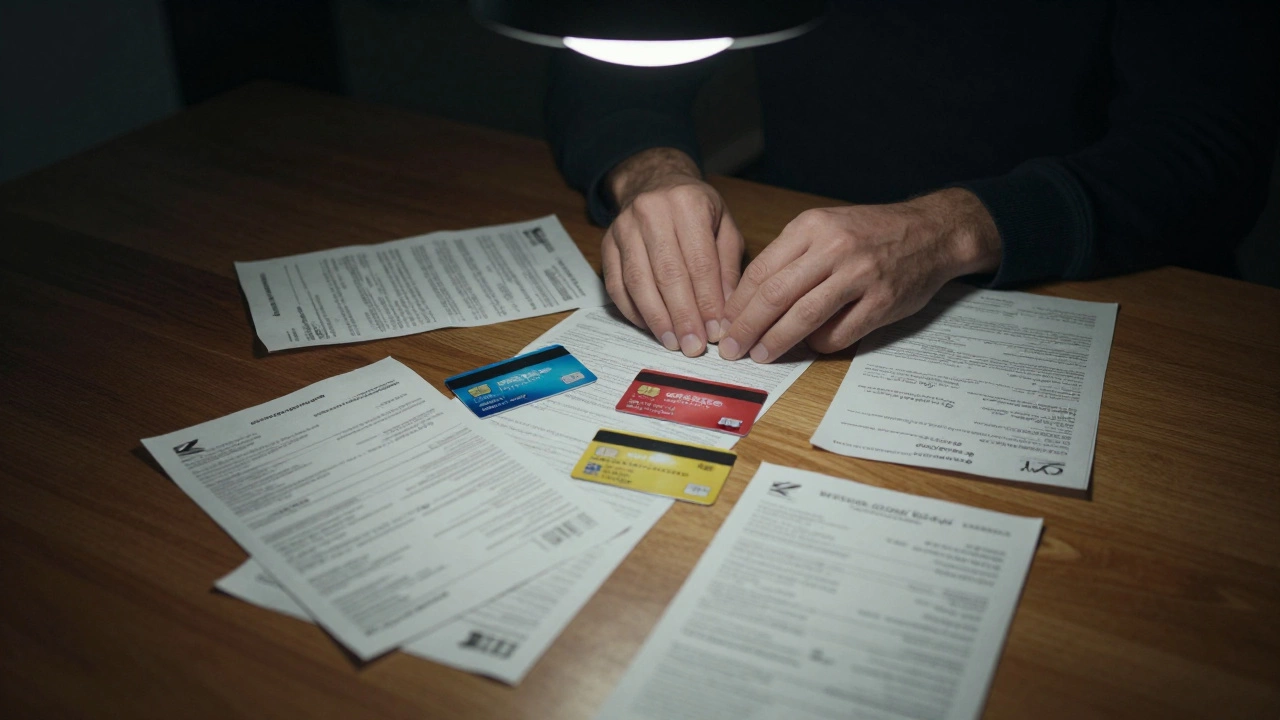
You're staring at five different credit card statements, three different interest rates, and a growing sense of dread every time your phone rings. You've heard that a single loan could sweep all those balances away, but there's one big question keeping you up: will a lender actually say yes? The truth is, getting approved for a debt consolidation loan isn't a coin toss, but it's not a guarantee either. Lenders aren't just looking at how much you owe; they're calculating the risk that you'll stop paying them, too.
Essentially, a Debt Consolidation Loan is a type of personal loan used to pay off multiple smaller debts, replacing them with one single monthly payment, usually at a lower interest rate. By combining high-interest credit card debt into one installment loan, you stop the bleeding from 29% APRs and move toward a fixed payoff date. However, because this is often an unsecured loan, the bank takes on all the risk if things go south.
Quick Takeaways for Approval
- Credit Score: Most lenders want to see at least 620, though some specialize in "bad credit" loans.
- Income: You need a steady paycheck to prove you can handle the new monthly payment.
- DTI Ratio: Your monthly debt payments shouldn't eat up more than 36% to 43% of your gross income.
- Collateral: Unsecured loans are harder to get; secured loans (like home equity) are easier but riskier for you.
The Big Three: What Lenders Actually Check
When you hit "submit" on that application, the lender's algorithm immediately hunts for three specific data points. If you don't know these, you're flying blind.
First is your Credit Score. This is the shorthand version of your financial history. If you're rocking a score of 720, you're a "prime" borrower and can pick your rate. If you're sitting at 580, you're considered "subprime." While you can still get approved with a low score, the interest rate might be so high that the consolidation doesn't actually save you any money. For example, if your cards are at 22% and the loan is offered at 24%, you're just moving the debt around, not solving the problem.
Next is your Debt-to-Income Ratio (DTI). Lenders don't care how much you make in a vacuum; they care about how much is left over after your bills. To calculate this, add up all your monthly debt payments (rent, car, minimums) and divide it by your gross monthly income. A DTI of 40% is often the tipping point. If you're at 50%, the lender sees a "debt trap"-someone who is one car repair away from defaulting on the loan.
Finally, they look at your employment stability. A steady job for two years is a gold star. If you're a freelancer or just started a new gig, you'll need more documentation, like tax returns or 1099s, to prove your income isn't a fluke.
Comparing Your Approval Odds
Not all consolidation options are created equal. Depending on where you stand, some paths are much wider than others.
| Loan Type | Approval Difficulty | Key Requirement | Risk Level |
|---|---|---|---|
| Unsecured Personal Loan | Moderate to Hard | Good Credit Score | Low (No collateral) |
| Home Equity Loan (HELOAN) | Easier | Home Equity Value | High (House at risk) |
| Credit Card Balance Transfer | Moderate | Available Credit Line | Low |
| Co-signed Loan | Easier | Creditworthy Co-signer | Shared Risk |
Why Some People Get Denied (And How to Fix It)
It's frustrating to get a rejection letter when you're trying to do the right thing. Most denials happen for a few specific reasons. One common culprit is "too many recent inquiries." If you've applied for three credit cards and a car loan in the last month, you look desperate for cash, which is a red flag for lenders.
Another issue is your payment history. A few late payments from three years ago might not kill your score, but a payment missed last month tells the lender you're currently struggling. If this is the case, spend 60 days making every single payment on time before applying. This "recent stability" can sometimes outweigh a mediocre score.
Some people also fail because they apply for too much. If you owe $20,000 but your income is $30,000 a year, the math simply doesn't work. In these cases, a Debt Management Plan (DMP) through a non-profit credit counseling agency is often a better move. Unlike a loan, a DMP isn't a new debt; it's an agreement to pay back what you owe at a lower rate without needing a high credit score for approval.

Step-by-Step Guide to Improving Your Approval Chances
- Audit Your Credit Report: Get a free report and check for errors. An incorrect "late payment" mark from a utility company can drop your score by 20 points. Dispute it immediately.
- Lower Your DTI: If you have a small loan (like a $500 store card) that's almost paid off, kill it. Reducing the number of open accounts can sometimes help your profile look cleaner.
- Gather Your Proof: Don't wait for the lender to ask. Have your last two years of tax returns and three months of pay stubs ready. Being organized suggests financial discipline.
- Shop Around: Don't just go to the bank where you have a checking account. Use "pre-qualification" tools. These use a Soft Credit Pull, which means they can tell you the likely rate without dinging your credit score.
The Danger Zone: Avoiding the Consolidation Trap
Getting approved is only half the battle. The biggest mistake people make is the "double-debt" scenario. Imagine you get a $10,000 loan to pay off four credit cards. Your cards are now at zero. You feel a huge sense of relief, and then... you start using those cards again. Suddenly, you have a $10,000 loan payment and $5,000 in new credit card debt.
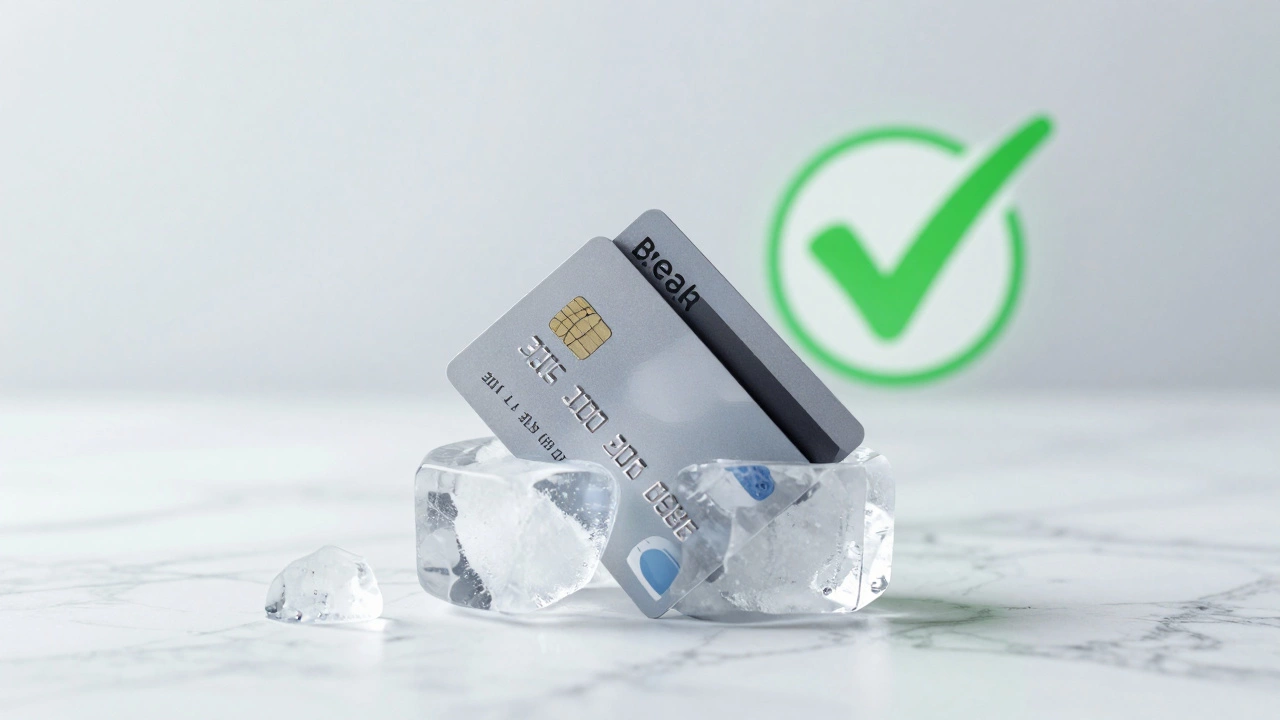
To avoid this, you need to address the behavior that caused the debt. If you haven't built a budget or stopped the overspending, the loan is just a temporary bandage on a deep wound. Some experts suggest freezing your credit cards in a block of ice (literally) or cutting them up the moment the loan pays them off.
Common Alternatives When Loans Aren't an Option
If the answer is "no," don't panic. You have other levers to pull. A balance transfer card is great if you only have a few thousand dollars in debt and a decent score; you can get 0% interest for 12 to 18 months. It requires discipline because once that window closes, the rate jumps back to 20%+.
For those with severe credit damage, Debt Settlement is an option, though it's a nuclear one. This involves negotiating with creditors to pay a lump sum that is less than what you owe. Be warned: this will tank your credit score for years and can lead to tax liabilities, as the IRS often views forgiven debt as taxable income.
Will applying for a consolidation loan lower my credit score?
Yes, but only slightly. When a lender does a "hard pull" on your credit, your score usually drops a few points. However, if you are approved and use the loan to pay off several maxed-out credit cards, your "credit utilization" drops significantly. This often leads to a net increase in your score over the next few months.
Can I get approved with a 500 credit score?
It is difficult, but possible. You would likely need a secured loan (putting up a car or home as collateral) or a co-signer with better credit. Most traditional banks will decline a 500 score, but some online "bad credit" lenders may approve you, though the interest rates will likely be very high.
How much income do I need to be approved?
There is no single magic number. Lenders look at your income relative to your debt. As long as your monthly payment for the new loan (plus your other bills) doesn't exceed 40-45% of your gross income, your income level is usually sufficient.
Should I use a co-signer to get a better rate?
A co-signer can significantly increase your approval odds and lower your interest rate. However, it's a huge favor. If you miss a payment, the co-signer's credit is hit immediately, and the lender will go after them for the full balance. Only do this with someone who fully understands the risk.
Is a debt consolidation loan better than bankruptcy?
For most people, yes. A loan allows you to pay back your debts while improving your credit over time. Bankruptcy is a legal process that wipes out debt but destroys your credit for 7 to 10 years and can make it nearly impossible to rent an apartment or get a job in certain industries. Bankruptcy is usually a last resort for when debt is mathematically impossible to pay back.
Next Steps: Your Path Forward
If you're ready to apply, start with a soft-pull pre-qualification to see where you stand without risking your score. If the rates are too high, don't sign. Instead, pivot to a non-profit credit counseling agency to explore a Debt Management Plan.
Regardless of the method, the goal isn't just to change the name of the loan; it's to stop the cycle of borrowing. Once you get that approval, the real work begins in making sure you never need a consolidation loan again.