
ISA Savings & Bonus Estimator
Estimated Outcome
The Short Answer: Yes, They're Still Here
If you've been away from the UK for a while or just haven't looked at your bank statements in a few years, you might wonder if the ISA accounts is still a thing. The answer is a resounding yes. An Individual Savings Account (ISA) remains one of the most powerful tools for UK residents to grow their money without the taxman taking a cut. While the rules shift slightly every few years, the core idea hasn't changed: you put money in, it grows, and you don't pay income or capital gains tax on the returns.
Key Takeaways:
- ISAs are very much active and widely used in 2026.
- You can still save up to your annual limit tax-free.
- The flexibility between different types of ISAs has increased over recent years.
- They remain the primary alternative to traditional taxable savings accounts for UK taxpayers.
How the Modern ISA Actually Works
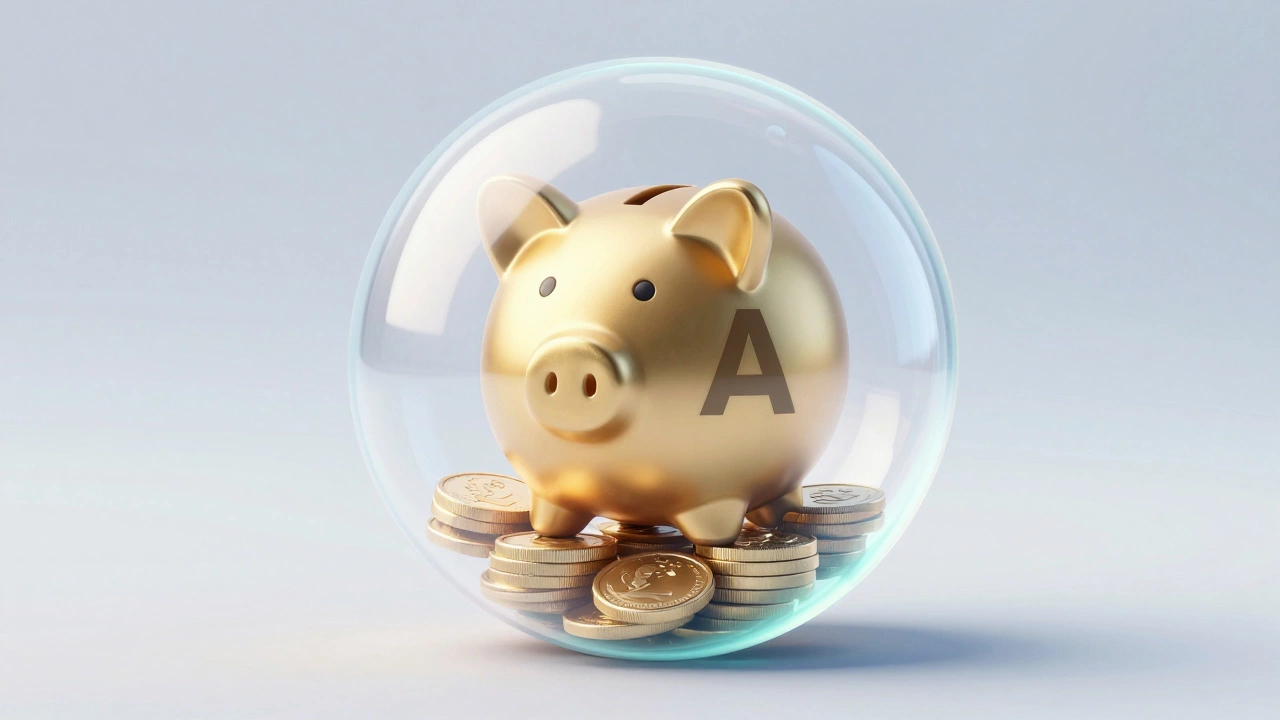
To understand why these accounts still exist, you have to look at the problem they solve. Normally, if you earn interest on a standard savings account or make a profit selling shares, the government wants a piece of that. Depending on your tax bracket, that could be 20%, 40%, or more. An ISA acts like a protective bubble around your money. Whether you're earning 4% interest in a cash account or 10% growth in a stock portfolio, that money stays in your pocket.
One of the biggest shifts in recent years is the move toward "flexible" ISAs. In the past, if you took £5,000 out of your account, you lost that part of your annual allowance for the year. Now, many providers offer flexible terms, meaning you can put that money back in during the same tax year without it counting toward your new limit. This makes them feel less like a locked vault and more like a versatile tool for managing your life's emergencies.
The Different Flavors of ISA
You can't just open a generic "ISA"; you have to pick a specific type based on your goals. Depending on whether you need the money for a house, a rainy day, or retirement, your choice will change.
Cash ISA is essentially a savings account with a tax-free wrapper. It's the safest bet. You get a set interest rate, and your principal is protected. It's perfect for an emergency fund-that 3-to-6 month cushion of expenses that keeps you from stressing when the boiler breaks in January.
Stocks and Shares ISA is where you invest in the stock market. Instead of just earning interest, you buy equities or bonds. This has a higher risk of loss, but historically it offers much higher returns over 5 to 10 years. If you're 30 and saving for a goal 20 years away, this is almost always the better choice than a cash account because it beats inflation.
Lifetime ISA (LISA) is a specialized tool for first-time buyers aged 18-39. The government essentially gives you a 25% bonus on your contributions. If you put in £4,000, the government adds £1,000. It's an incredible deal, but there's a catch: if you take the money out for anything other than your first home or retirement, you'll pay a penalty that wipes out the bonus and some of your own original money.
| ISA Type | Best For | Risk Level | Key Benefit |
|---|---|---|---|
| Cash ISA | Short-term savings | Very Low | Guaranteed Capital |
| Stocks & Shares | Long-term growth | Medium to High | Potential for high returns |
| Lifetime ISA | First home purchase | Low to Medium | 25% Government Bonus |

The Annual Limit and the "Use It or Lose It" Rule
Every year, the government sets a maximum amount you can put into your ISAs. For the current tax year, this limit is shared across all your accounts. If you put the maximum into a Cash ISA, you can't put anything into a Stocks and Shares ISA until the next tax year starts on April 6th.
This is where people often make mistakes. The allowance is a "use it or lose it" deal. If you don't utilize your full limit by the end of the tax year, you can't "carry it over" to the next year. For example, if you only used half your allowance in 2025, you don't get an extra 50% on top of your 2026 limit. This is why many people do a "year-end sprint" in March to max out their accounts before the deadline.
Common Pitfalls and How to Avoid Them
Even though ISAs are simple on the surface, there are a few traps that can cost you money. First is the "ISA Transfer" mistake. Some people open a new account every year to chase a slightly higher introductory interest rate. While that's fine, if you do it by withdrawing the money and depositing it into a new account, you've used up your annual allowance twice. Instead, you should use a formal transfer process, where the banks move the money behind the scenes, keeping the tax-free status intact.
Another common error is ignoring the impact of inflation. If you keep £20,000 in a Cash ISA earning 3% while inflation is at 4%, your money is technically "growing," but its purchasing power is shrinking. You're essentially losing money in real terms. This is why a diversified approach-splitting funds between cash for security and stocks for growth-is the standard move for seasoned savers.
Is an ISA Right for You Today?
If you're a UK taxpayer, the answer is almost always yes. The alternative is a standard savings account where you might hit your "Personal Savings Allowance." This is the amount of interest you can earn before you start paying tax. For basic rate taxpayers, it's usually £1,000; for higher rate taxpayers, it's only £500. Once you pass that, the government takes a cut. With an ISA, that limit doesn't matter.
However, if you're looking for the absolute highest returns and don't mind the risk, you might look into a SIPP (Self-Invested Personal Pension). Pensions offer different tax advantages (tax relief on contributions) that can sometimes outperform ISAs for long-term retirement planning. The trade-off is that you can't touch your pension until you're 57, whereas you can pull money out of an ISA whenever you need it.
Can I have more than one ISA?
Yes, you can have multiple ISAs. However, the total amount you deposit across all of them must stay within the annual government limit. For example, if the limit is £20,000, you could put £10,000 in a Cash ISA and £10,000 in a Stocks and Shares ISA.
What happens if I move abroad?
You can generally keep your existing ISA and it remains tax-free in the UK. However, you usually cannot contribute new money into an ISA if you are no longer a UK resident for tax purposes. Also, keep in mind that while the UK won't tax the gains, the country you move to might.
How do I transfer an ISA to a different provider?
Never withdraw the money yourself. Instead, open an account with the new provider and fill out a "transfer request" form. They will handle the movement of funds between the two banks. This ensures the money stays inside the tax-free wrapper and doesn't count toward your current year's limit.
Is the money in an ISA safe?
For Cash ISAs, your money is typically protected by the FSCS (Financial Services Compensation Scheme) up to £85,000 per person, per financial institution. For Stocks and Shares ISAs, the value can fluctuate based on market performance, so there is no guarantee of the original amount.
Can I put money into a LISA and a Cash ISA at the same time?
Yes, but remember that the LISA limit is part of your overall ISA limit. If you put £4,000 into a LISA, that amount is deducted from your total annual allowance for other ISAs.
Next Steps for Your Savings
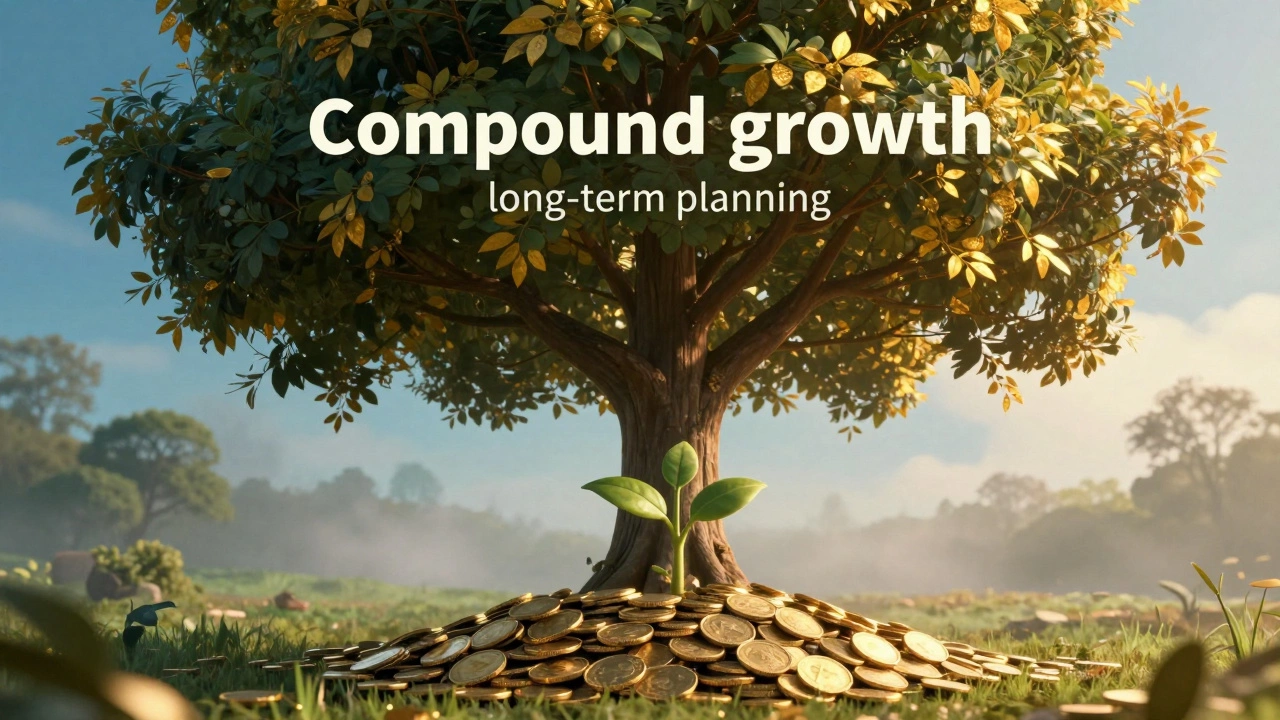
If you're just starting, the best move is usually to build an emergency fund in a Cash ISA first. Once you have a few months of expenses tucked away, look at your timeline. If you're buying a home in the next five years, the Lifetime ISA is a no-brainer. If you're looking at a 10-year horizon, shift your focus toward a Stocks and Shares ISA to let compound growth do the heavy lifting.
Avoid the temptation to keep all your money in one place. The most resilient financial plans use a mix of liquid cash for safety and invested assets for growth. Check your current provider's interest rates today-if they've dropped, it might be time to initiate a transfer to a more competitive account.