
Home Insurance Payout Calculator
Enter details above and click calculate to see your estimated net payout.
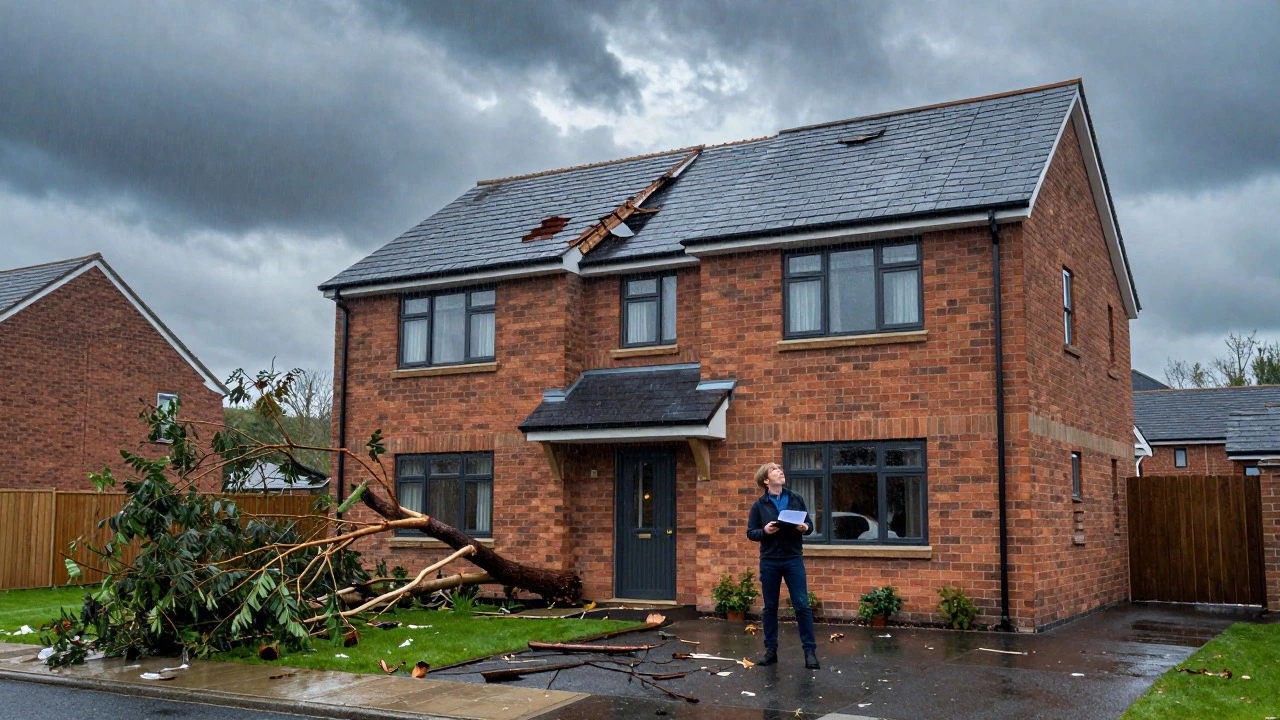
Most homeowners assume that if their roof leaks or a tree falls on the driveway, the insurer will fix it all for free. It’s a comforting thought, but rarely the reality. The short answer to whether home insurance covers 100% of the damage is: usually, no. While comprehensive policies aim to restore your home to its pre-loss condition, several factors can leave you paying out of pocket.
Understanding these gaps is crucial before you need them. Whether you’re in Sydney dealing with storm damage or in Melbourne facing a burst pipe, knowing exactly what your policy pays-and what it doesn’t-is the difference between a manageable inconvenience and a financial shock. Let’s break down how these policies actually work, where the money goes, and how to protect yourself from unexpected bills.
The Myth of Full Coverage
When people ask if insurance covers everything, they often mean "will I have to pay anything?" In most cases, you will. The core concept here is indemnity. Insurance is designed to make you whole again, not to profit you. This means the payout is based on the actual value of the loss, minus any deductions defined in your contract.
There are two main types of home insurance you might hold: contents insurance and building insurance. Building insurance covers the structure itself-walls, roof, floors, and permanent fixtures like built-in wardrobes. Contents insurance covers your movable items-furniture, electronics, clothing. If you only have one, you’re likely exposed. For instance, if a fire destroys your house (building) and your laptop (contents), you need both policies to recover fully. Many people skip contents insurance because they think the building policy covers "everything inside," which is a dangerous misconception.
Excess Fees: The First Cut
The most common reason you don’t get 100% back is the excess the amount you agree to pay towards each claim before the insurer pays the rest. This isn’t a penalty; it’s a standard feature of almost every policy. In Australia, typical excesses range from $500 to $1,000 for general claims. However, specific perils can carry higher excesses. For example, storm damage might have a $1,000 excess, while water damage from a burst pipe could be $2,000 or more if you haven’t maintained your plumbing.
If you make multiple small claims, the cumulative effect of these excesses adds up quickly. Imagine you have a $300 leaky tap repair. If your excess is $500, it makes no financial sense to claim. You’d be paying $500 to save $300. Smart policyholders keep a "sinking fund" for minor repairs to avoid triggering an excess payment and potentially affecting their premium history.
Depreciation vs. Replacement Value
This is where many policyholders feel the sting. When you buy new, your items have full value. But after five years, a washing machine is worth less than a new one. How does the insurer treat this?
There are two main valuation methods:
- Market Value (Depreciated): The insurer pays the current market value of the item at the time of loss. If your 10-year-old sofa is destroyed, they might offer $500, even if it cost $2,000 when new. This is the standard for most basic contents policies.
- New-for-Old (Replacement Cost): The insurer pays the cost to replace the item with a similar new one, regardless of age. This is more expensive upfront but provides true peace of mind. It’s often available as an add-on for high-value items like jewelry, art, or electronics.
For building insurance, the debate is different. You want reinstatement value, which is the cost to rebuild your home from scratch using current materials and labor rates. If your policy was set ten years ago and hasn’t been updated, it might be significantly underinsured. Construction costs in Australia have risen sharply due to material shortages and wage increases. A $500,000 policy from 2016 might only cover $350,000 worth of rebuilding today. This gap is known as underinsurance, where the payout is less than the actual cost to repair because the sum insured was too low.

Common Exclusions That Catch People Out
Even if you have a good policy, certain events are often excluded unless you specifically add riders. Here are the big ones in the Australian context:
- Flood: Standard home insurance often excludes flood damage. If you live in a flood-prone area (like parts of NSW or Queensland), you need explicit flood cover. Without it, a major flood event could leave you with zero payout for structural damage.
- Landslip and Earthquake: These are geologically dependent. In stable areas, they might be included. In others, they require separate premiums. Check your local risk profile.
- Maintenance Issues: Insurers rarely cover damage caused by lack of maintenance. If a roof tile cracks because you ignored it for five years, and then rain gets in, the insurer might deny the claim, arguing it was gradual deterioration, not a sudden accidental event.
- Wear and Tear: This is the biggest exclusion. Batteries dying, tires wearing thin, or paint fading are not covered. Insurance is for sudden, unforeseen events, not the natural aging of your property.
How to Calculate Your True Coverage Gap
You can’t know if you’re covered for 100% until you do the math. Here’s a simple framework to assess your position:
- Get a Rebuild Estimate: Don’t use your purchase price. Use a professional estimator or online tool that calculates the cost to rebuild your specific home type, size, and location in current market conditions. Add 10-15% for inflation and contingency.
- List Your High-Value Items: Create a digital inventory. Take photos of serial numbers and receipts for electronics, jewelry, and artwork. Assign values to them. Decide which ones you want on "new-for-old" basis.
- Review Your Excesses: Read your policy schedule. Note the excess for each peril (fire, storm, water). Ensure they are affordable for you in an emergency.
- Check for Underinsurance Clauses: Most policies have a clause that says if you are underinsured by more than 10%, the insurer may pro-rate your claim. For example, if your home costs $800k to rebuild but you insure it for $600k, and you have a $100k fire loss, you might only receive $75k (pro-rated).

Practical Tips to Maximize Your Payout
Getting close to 100% recovery isn’t about finding a magic policy; it’s about managing expectations and documenting everything.
First, maintain your property. Keep records of roof inspections, gutter cleaning, and plumbing checks. If a claim arises, proof of maintenance strengthens your case against "wear and tear" denials. Second, communicate clearly with your insurer. When a loss occurs, take photos immediately. Document the damage before any temporary fixes. Delays in reporting can sometimes lead to disputes over the extent of the initial damage.
Finally, review your policy annually. Life changes-new baby, new car, new renovation-change your needs. A policy that worked three years ago might be inadequate today. It takes 20 minutes to review, but it can save thousands later.
| Concept | Description | Impact on Payout |
|---|---|---|
| Excess | Fixed amount paid by policyholder per claim | Reduces payout by fixed dollar amount |
| Depreciation | Reduction in value due to age/use | Reduces payout for older items |
| Underinsurance | Sum insured lower than actual rebuild cost | Can trigger pro-rating of claims |
| Exclusions | Events not covered (e.g., flood) | Payout is zero for excluded events |
FAQ
Does home insurance cover the land?
No. Home insurance typically covers the buildings and contents, not the land itself. Land value is considered non-insurable because it generally doesn't decrease in value due to damage (though exceptions exist for erosion or subsidence).
What happens if I am underinsured?
If your sum insured is significantly lower than the actual cost to rebuild, insurers may apply a pro-rata rule. This means your claim payout is reduced proportionally to the underinsurance percentage, leaving you to pay the difference out of pocket.
Is flood damage covered in standard home insurance?
Not always. In many Australian regions, flood is a separate optional extra. You must check your policy schedule to see if flood cover is included or if you need to add it for an additional premium.
How often should I review my home insurance?
Annually is recommended. Construction costs change, and your personal circumstances (new possessions, renovations) evolve. An annual review ensures your sum insured remains accurate and your excesses are still affordable.
Does insurance cover accidental damage?
Generally, yes, for sudden accidental events like a dropped TV or a burst pipe. However, gradual damage from neglect or wear and tear is usually excluded. The key distinction is the speed and cause of the damage.