
Credit Card Interest Calculator
You swipe. The transaction clears. You feel a tiny hit of dopamine because you just bought something you wanted without parting with cash right now. It feels like free money, doesn't it? But here is the cold, hard truth that banks hope you ignore: if you are paying interest on your balance, you are not using a payment tool; you are using a loan with a predatory price tag.
So, what is the golden rule of credit card use? It isn’t about earning points, maximizing cash back, or chasing travel perks. Those are nice bonuses, but they are secondary. The single most important rule is this: Pay your statement balance in full every month, so you never pay a penny in interest. That’s it. If you break this rule, everything else-rewards, benefits, convenience-becomes mathematically irrelevant because the interest charges will likely eat up any value you gained.
Why Paying in Full Changes Everything
Let’s look at the numbers. Most general-purpose credit cards carry an Annual Percentage Rate (APR) between 20% and 30%. Some go higher. If you spend $1,000 on groceries and entertainment in a month and only pay off the minimum due, you aren’t just delaying payment; you are borrowing that $1,000 at a rate far higher than almost any other consumer loan available today.
Consider this scenario: You buy a new laptop for $1,200. You plan to pay it off over six months by making minimum payments. At a 24% APR, you might end up paying close to $150-$200 in extra interest depending on your exact payment schedule. Now, imagine you paid that $1,200 in full when the bill arrived. Your cost? Exactly $1,200. Plus, you kept your cash in a high-yield savings account earning 4-5% APY during those weeks, meaning you actually made a few dollars while waiting to pay the bill.
This is why financial experts obsess over this specific habit. It transforms the credit card from a debt trap into a liquidity tool. You get the float (the time between buying and paying), you build your credit history, and you avoid the one thing that destroys wealth: compound interest working against you.
The Myth of "Carrying a Balance"
You’ve probably heard someone say, "You need to carry a balance to build credit." This is one of the most persistent myths in personal finance, and it costs people billions annually. Let’s clear this up once and for all.
Credit utilization is the percentage of your available credit limit that you are currently using. It accounts for about 30% of your FICO score. Reporting agencies look at how much you owe relative to your limit. They do not care if you have interest accruing. In fact, carrying a balance can hurt you if it keeps your utilization high.
Here is the mechanism: When your statement closes, the bank reports your balance to the credit bureaus. If you have a $1,000 limit and you spent $500, your utilization is reported as 50%. High utilization can temporarily lower your score. However, if you pay that $500 in full before the next statement closes, your utilization drops to 0% (or near zero) for the next reporting period. You demonstrate responsible usage without ever owing interest.
| Habit | Interest Cost | Credit Score Impact | Financial Outcome |
|---|---|---|---|
| Paying Statement Balance in Full | $0 | Positive (Low Utilization) | Maximize Rewards & Cash Flow |
| Paying Minimum Due | High (20-30% APR) | Negative (High Utilization) | Debt Spiral & Reduced Buying Power |
| Carrying Small Balance Intentionally | Moderate | Neutral/Negative | Unnecessary Cost for No Benefit |
How to Automate the Golden Rule
Willpower is a finite resource. If you rely on remembering to log in and click "pay," you will eventually miss a date, especially when life gets busy. The best way to stick to the golden rule is to remove human error entirely.
- Set Up Auto-Pay: Go to your bank’s online portal. Look for the "Auto-Pay" settings. Select "Statement Balance" as the amount. Do not select "Minimum Payment." This ensures the system pays exactly what you owe to avoid interest, no more, no less.
- Schedule Before the Due Date: Set the auto-pay date for 2-3 days before the actual due date. This gives you a buffer if there are banking glitches or posting delays.
- Monitor Account Funding: Ensure your checking account always has enough funds to cover the average monthly spend. If you overspend one month, transfer funds manually to cover the difference so the auto-pay doesn’t bounce.
By automating this, you treat your credit card like a debit card with a delay. You don’t think about it. It just happens. And because you’re paying in full, you’re essentially getting short-term loans from the bank for free, which is a benefit worth having.
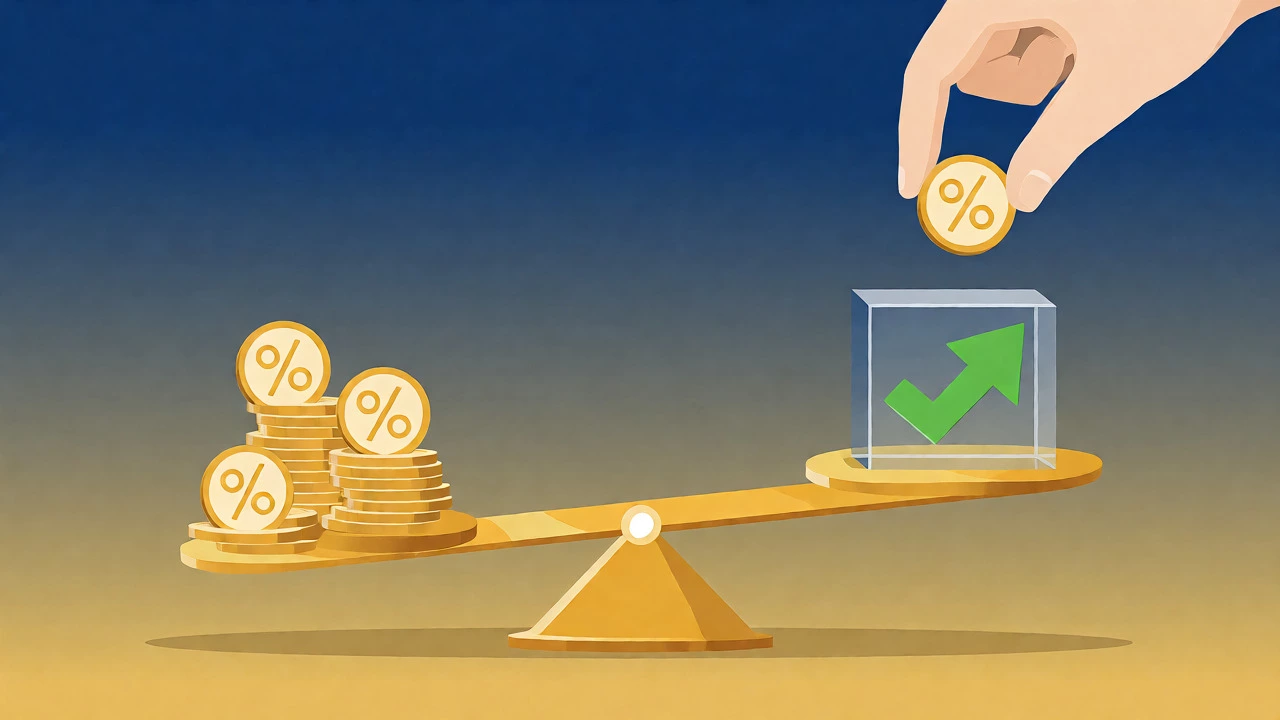
Beyond the Golden Rule: Secondary Best Practices
Once you’ve mastered paying in full, you can start optimizing for other factors. These won’t save you from debt, but they will make your finances smoother.
Keep Utilization Low
While paying in full prevents interest, keeping your balance low throughout the billing cycle helps your credit score. Aim to keep your utilization below 30%, and ideally under 10%, when your statement cuts. If you know you’ll be making a large purchase, consider paying it down mid-cycle rather than waiting for the statement to close. This lowers the reported balance.
Understand Grace Periods
Most cards offer a grace period-the time between the end of your billing cycle and the payment due date. During this window, if you paid your previous balance in full, you pay no interest on new purchases. This is why timing matters. If you carry a balance from last month, the grace period vanishes, and interest starts ticking on day one of new purchases. Sticking to the golden rule preserves this grace period indefinitely.
Don’t Close Old Accounts
Length of credit history makes up 15% of your FICO score. Even if you stop using a card, keep it open (unless it has a hefty annual fee). A long-standing account shows stability. Just put a small recurring subscription on it and set it to auto-pay in full so it stays active.
Common Pitfalls That Break the Rule
Even disciplined users slip up. Here are the traps to watch out for.
Cash Advances: Never use your credit card to get cash from an ATM unless it’s a dire emergency. Cash advances usually start accruing interest immediately-no grace period-and often come with a upfront fee (e.g., 5% of the transaction). They are expensive and messy to pay off.
Retail Store Cards: Be careful with those "Save 20% Today!" offers at checkout. Retail cards often have higher APRs and stricter terms. If you can’t guarantee you’ll pay them off in full, the discount rarely outweighs the potential interest cost later.
Foreign Transaction Fees: If you travel internationally, check if your card charges a 3% foreign transaction fee. While this doesn’t violate the golden rule (you still pay in full), it reduces the value of your rewards. Look for cards that waive these fees.

Frequently Asked Questions
Does paying my credit card in full hurt my credit score?
No, it generally helps. Paying in full keeps your credit utilization low, which is a positive factor for your score. The myth that you need to carry a balance is false. As long as you use the card regularly and report activity, paying in full demonstrates strong financial management.
What happens if I miss the golden rule and pay interest?
If you pay interest, you lose the financial advantage of the card. Interest charges typically range from 20% to 30% APR, which wipes out most cash-back or point rewards (which are usually worth 1-2%). Additionally, high balances can increase your credit utilization ratio, potentially lowering your credit score until the balance is paid down.
Is it better to pay weekly or monthly?
Paying weekly can help manage budgeting and keep reported utilization lower, which may slightly benefit your credit score. However, financially, it makes no difference regarding interest as long as you pay the full statement balance by the due date. Choose the frequency that helps you stay organized and avoids overspending.
Do I need multiple credit cards to follow the golden rule?
No. One well-managed card is sufficient. Multiple cards can complicate tracking and increase the risk of missing a payment. Only add more cards if you have a specific strategy, such as separating business expenses or targeting different reward categories, and you are confident you can track all due dates accurately.
What is the difference between current balance and statement balance?
The statement balance is the total you owed at the end of your last billing cycle. Paying this in full avoids interest. The current balance includes new purchases made after the statement closed. You don’t need to pay the current balance immediately to avoid interest, but doing so can lower your utilization. Always ensure the *statement* balance is paid by the due date.
Next Steps for Debt-Free Credit Usage
If you currently carry a balance, don’t panic. Start by setting up auto-pay for the minimum due to avoid late fees. Then, attack the principal. Apply any extra cash flow toward the balance. Once it hits zero, switch your auto-pay setting to "Statement Balance." From that moment on, you are playing the game correctly. You’re leveraging the bank’s money for free, building your credit profile, and keeping your wallet intact. Stick to the golden rule, and the credit card becomes a servant, not a master.