
ISA Tax-Free Growth Calculator
Calculate how much your money could grow tax-free in an ISA compared to a regular investment account. This tool demonstrates the power of tax-free growth over time.
Your Tax-Free Growth
ISA AccountTax Savings
£0.00
Regular Investment Account
Taxable AccountTax-Free Advantage
If you live in the UK and want to save or invest money without paying tax on the interest, dividends, or capital gains, an ISA could be one of the most useful tools you’ve never fully used. But how do ISA accounts actually work? It’s not as complicated as it sounds - and once you understand the basics, you might realize you’re leaving money on the table.
What is an ISA?
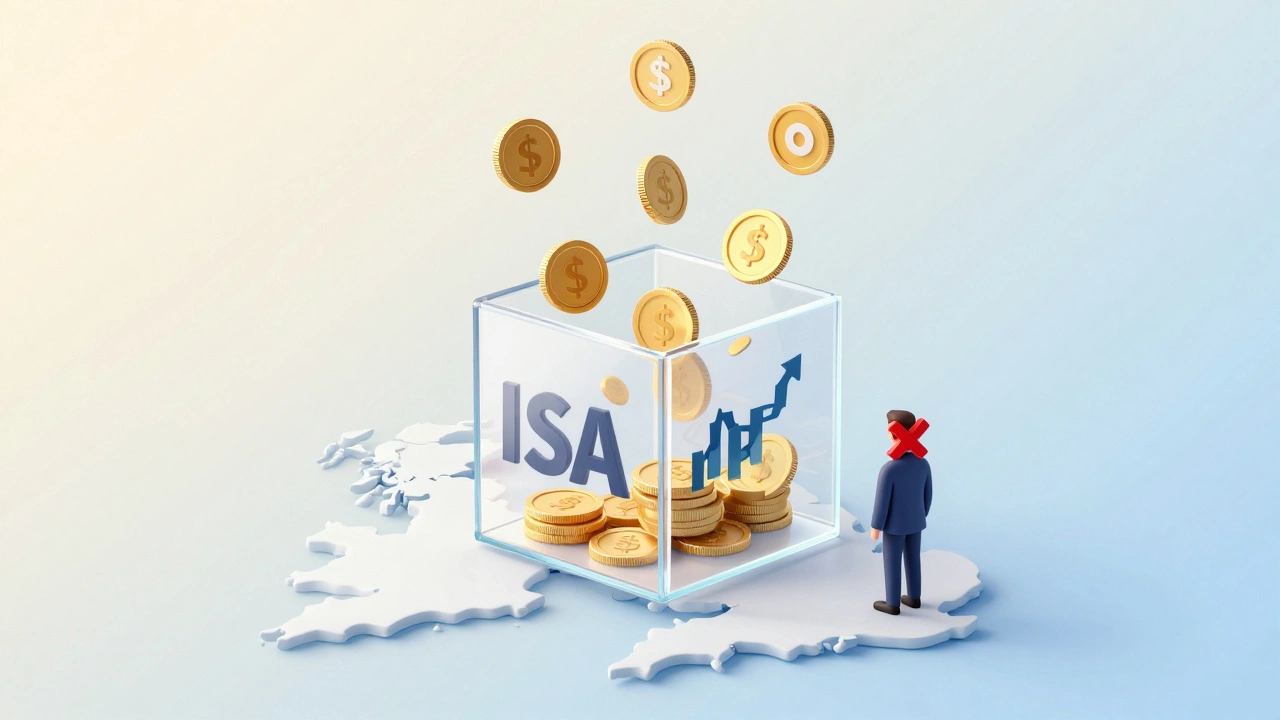
An ISA stands for Individual Savings Account. It’s not a single type of account - it’s a tax-free wrapper that holds your savings or investments. The government lets you put money into an ISA, and whatever you earn inside it - interest, dividends, or profits from selling investments - doesn’t get taxed. That means no income tax, no capital gains tax, and no dividend tax. It’s as simple as that.
Think of it like a special box. You can put cash in it, or stocks and shares, or even innovative finance products, and the box shields everything inside from the taxman. You can’t touch the box’s contents without rules, but the money inside grows faster because it’s not being drained by taxes every year.
How much can you save in an ISA each year?
For the 2025/2026 tax year, the total ISA allowance is £20,000. That’s the maximum you can put into all your ISAs combined. You don’t have to use it all, but if you don’t, you lose it. Unlike pension contributions, you can’t carry forward unused allowance to next year.
You can split that £20,000 however you like. For example:
- £10,000 in a Cash ISA
- £10,000 in a Stocks and Shares ISA
Or:
- £5,000 in a Cash ISA
- £12,000 in a Stocks and Shares ISA
- £3,000 in an Innovative Finance ISA
You can’t put more than £20,000 total across all types. And you can only pay into one of each type per tax year. So if you open a Cash ISA with Bank A in April, you can’t open another Cash ISA with Bank B in June - unless you transfer the money.
What are the different types of ISAs?
There are four main types of ISAs, each designed for a different goal:
Cash ISA
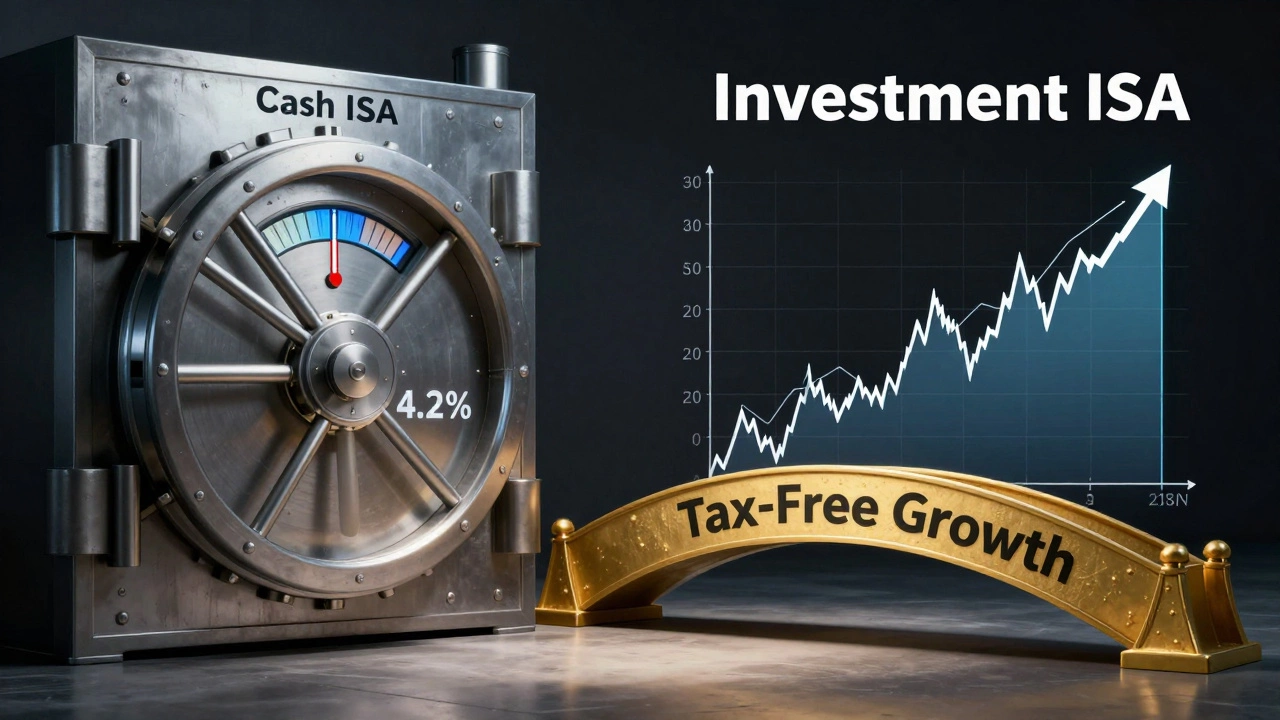
This is the simplest. You put cash in, and it earns interest. The interest is tax-free. It’s perfect for short-term savings, emergency funds, or if you want zero risk. Rates vary, but some providers offer over 4% AER. Compare them like you would a regular savings account - look for the best interest rate and easy access if you need to withdraw.
Stocks and Shares ISA
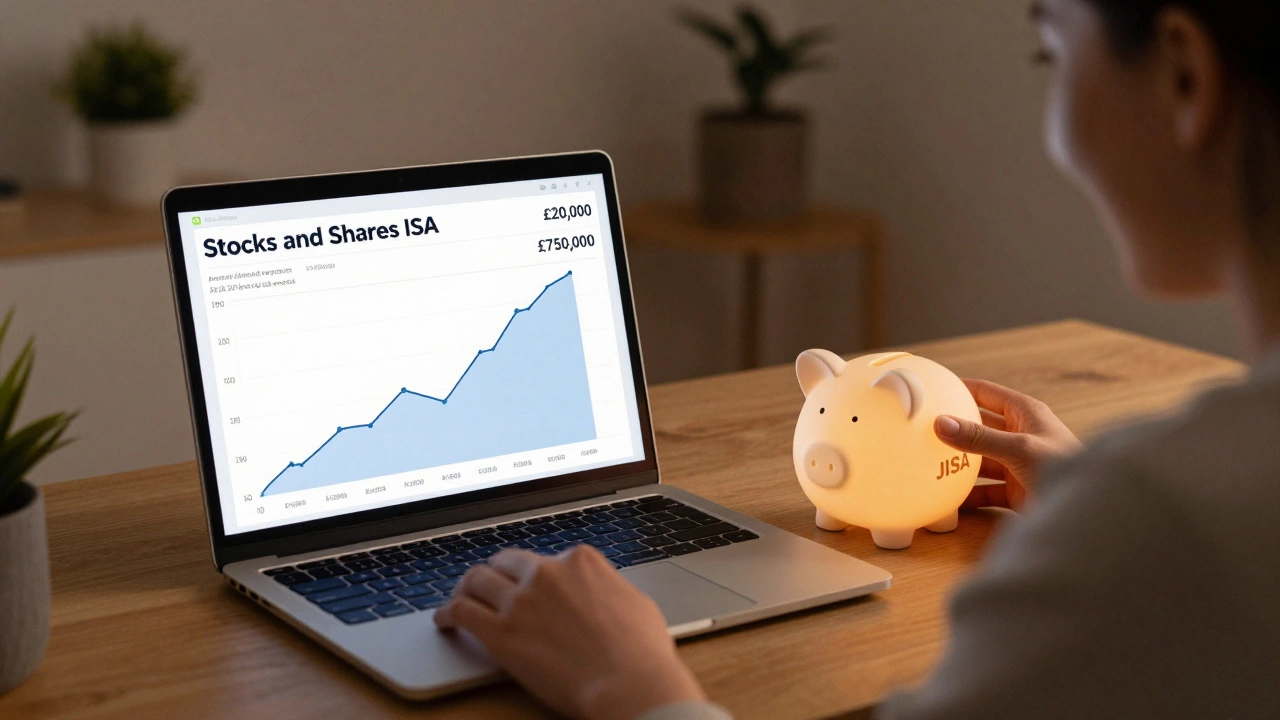
This one lets you invest in things like shares, funds, bonds, or ETFs. Any profits you make from selling these investments, or dividends you receive, are completely tax-free. This is where long-term wealth building happens. Over 10-20 years, the compounding effect of tax-free growth can make a huge difference. For example, if you invest £20,000 a year for 20 years and earn 6% annually, you’d end up with over £750,000 - and none of the gains are taxed. In a regular account, you’d owe capital gains tax on most of that.
Innovative Finance ISA (IFISA)
This lets you invest in peer-to-peer loans through platforms like Funding Circle or RateSetter. The interest you earn is tax-free. But there’s a catch: your money isn’t protected by the Financial Services Compensation Scheme (FSCS) like bank deposits. If borrowers default, you could lose money. Only use this if you understand the risk and are comfortable with lending to businesses or individuals.
Junior ISA (JISA)
This is for children under 18. Parents or guardians can open one and contribute up to £9,000 per year (2025/2026). The money belongs to the child and can’t be touched until they turn 18. Then it automatically turns into a regular adult ISA. It’s a great way to start building long-term savings for education or a first home.
Can you lose money in an ISA?
It depends on the type.
In a Cash ISA, your capital is safe. The money you put in won’t go down - unless the bank goes bust (but the first £85,000 per person per institution is protected by the FSCS). The only risk is inflation eating away at your purchasing power if interest rates are low.
In a Stocks and Shares ISA, your money can go up or down. If the market falls, your balance drops. That’s normal. But over time, historical returns show that UK and global markets tend to rise. The key is time. If you’re investing for 10+ years, short-term dips usually even out.
In an Innovative Finance ISA, you can lose money. Peer-to-peer lending isn’t guaranteed. Some platforms have failed. Only invest what you can afford to lose.
How do you open an ISA?
You can open one online in minutes. Most banks, building societies, and investment platforms offer them. You’ll need:
- A UK address
- A National Insurance number
- Proof of identity (usually a passport or driver’s license)
Some providers let you open a Cash ISA with £1. Others require £500 or more for a Stocks and Shares ISA. Don’t get hung up on minimums - focus on fees and investment options.
When choosing a provider, ask:
- What are the fees? (Annual management fees, trading fees)
- What can I invest in? (Do they offer low-cost index funds?)
- Is it easy to transfer later?
Platforms like Hargreaves Lansdown, Fidelity, and AJ Bell are popular for Stocks and Shares ISAs. For Cash ISAs, online-only banks like Nationwide or Starling often offer better rates than high-street branches.
Can you transfer an ISA?
Yes - and you should, if you’re paying high fees or getting poor returns.
If you want to move money from one ISA to another, always use a transfer, not a withdrawal. If you withdraw the money and then put it back in, it counts as a new contribution. That could push you over your £20,000 limit and trigger tax penalties.
For example: You have £15,000 in a Cash ISA with Bank X. You find a better rate at Bank Y. You ask Bank Y to transfer the full amount. They handle it directly with Bank X. Your £15,000 moves over without touching your current year’s allowance.
You can transfer old ISAs from previous years too. There’s no limit on how many times you can transfer. Just never withdraw the money yourself.
What happens when you withdraw money?
With a Cash ISA, you can usually take money out anytime. But some fixed-rate Cash ISAs charge penalties if you withdraw early. Read the fine print.
With a Stocks and Shares ISA, you sell investments to get cash out. The money stays tax-free, even after withdrawal. But if you put the cash back in later in the same tax year, it counts toward your £20,000 limit.
Example: You put £20,000 into your ISA in April. In July, you withdraw £5,000. You can’t put that £5,000 back in without using part of next year’s allowance. The £5,000 you took out is gone from your 2025/2026 allowance forever.
Do you pay tax on ISA withdrawals?
No. Ever.
Whether you withdraw £100 or £100,000, you don’t pay tax on it. That includes interest earned, dividends received, or profits from selling shares. The whole point of an ISA is that everything inside it stays tax-free - forever.
What happens to your ISA when you die?
Your ISA doesn’t disappear. It becomes a “continuing ISA” for your estate. Your spouse or civil partner can inherit your ISA allowance - up to the full value of your ISA - on top of their own £20,000 limit. This is called the Additional Permitted Subscription (APS). It lets them add the inherited amount without using their own allowance.
For example: If you die with £50,000 in ISAs, your partner can add £50,000 to their ISA on top of their £20,000 limit. That’s £70,000 they can shelter from tax in one year.
Who should use an ISA?
Almost everyone in the UK who pays tax should use one. Here’s who benefits most:
- Basic rate taxpayers: You get 20% tax relief on interest and dividends. An ISA saves you that.
- Higher rate taxpayers: You pay 40% or 45% on investment income. An ISA saves you even more.
- Investors: If you’re buying shares, ETFs, or funds, the tax savings compound over time.
- Parents: A Junior ISA can grow tax-free for 18+ years.
Even if you’re not a big investor, a Cash ISA with a decent interest rate beats a regular savings account. With inflation at 2.8% in early 2026, you’re losing money if your savings account pays less than that.
Common mistakes people make with ISAs
- Not using the full allowance: £20,000 is a lot. Most people don’t use it all. Even £5,000 invested tax-free makes a difference.
- Withdrawing and re-depositing: This wastes your allowance. Always transfer, never withdraw.
- Putting money in the wrong type: Don’t put long-term savings in a Cash ISA if you can handle risk. You’ll miss out on growth.
- Ignoring fees: A 0.5% annual fee on a £10,000 investment costs £50 a year. Over 10 years, that’s £500+ in lost returns.
- Forgetting about old ISAs: If you’ve changed jobs or banks, you might have ISAs you don’t even know about. Track them down.
Final thought: Start now
There’s no perfect time to start an ISA. The best time was yesterday. The second best is today. Even if you can only afford £50 a month, putting it into a Stocks and Shares ISA now means it has 20+ years to grow tax-free. That’s more powerful than any tax refund you’ll ever get.
Open one. Pick a type. Set up a monthly transfer. And forget about it. Let time and tax-free growth do the work.
Can I have more than one ISA?
Yes, you can have multiple ISAs - but only one of each type per tax year. You can hold Cash ISAs, Stocks and Shares ISAs, Innovative Finance ISAs, and Junior ISAs from different years. But you can’t pay into more than one Cash ISA in the same tax year unless you’re transferring.
Do I need to declare ISA interest on my tax return?
No. All interest, dividends, and capital gains inside an ISA are completely tax-free and don’t need to be reported to HMRC. You don’t need to include them on your Self Assessment tax return - even if you’re a higher-rate taxpayer.
Can I open an ISA if I’m not a UK resident?
You can only open a new ISA if you’re a UK resident for tax purposes. If you move abroad, you can keep your existing ISA open and continue to earn tax-free growth, but you can’t make new contributions unless you return to the UK and regain resident status.
Is a Stocks and Shares ISA risky?
It can be, but not if you understand the risk. The value of your investments can go down as well as up. However, over 10-20 years, the stock market has historically delivered average annual returns of 5-7%. Diversifying across funds and holding long-term reduces risk significantly. It’s riskier than a Cash ISA, but the tax savings make it worth it for most people.
What happens if I exceed the ISA allowance?
If you accidentally pay in more than £20,000 in one tax year, HMRC will contact you. They’ll ask you to withdraw the excess amount. Any interest or gains on the excess won’t be tax-free. You might also face penalties. Always check your total contributions across all providers.