

Loan Approval & Pathway Analyzer
Financial Snapshot
Percentage of monthly income currently owed on debts.
Your Best Path Forward
Did you know?
According to 2026 data, nearly 680 is the floor for unsecured personal loans at major institutions. Below this number, algorithms often trigger instant declines, making alternative routes like Credit Unions or Secured Loans significantly more viable options.
You fill out the application, you click submit, and the screen flashes red. Denied. It feels personal, but rejections are often just math. When banks say no, it usually means your risk profile doesn't match their safety requirements. This happens to thousands of people every day, regardless of income stability. The good news is that a denial isn't a dead end; it's a data point that tells you exactly where to focus your next move.
Understanding the mechanics behind the decision is the first step toward flipping the script. Most lenders rely on automated underwriting systems that weigh specific factors instantly. If you get shut out by big institutions, you haven't necessarily lost access to money-you've just lost access to their specific criteria. There are other doors, and opening them requires strategy, not just hope.
The Real Reasons Behind the Rejection Letter
Banks send pre-approved letters because they know someone qualifies, but the fine print matters. When you see a decline, three main drivers usually cause it. First is your Credit Scorea numerical representation of your borrowing risk calculated by scoring models. In 2026, most traditional banks set their floor around 680 for unsecured personal loans. Below that number, algorithms automatically flag applications for manual review or instant decline.
Second is the Debt-to-Income (DTI) ratio. Even if you make a great salary, if you already owe 40% of your monthly income on credit card payments, rent, and car notes, you appear risky. Lenders want to see that you have room in your budget for a new payment. Third is recent inquiry history. Applying for multiple loans in a short window signals desperation, which scares conservative lenders away.
To prove eligibility, you need to know exactly where you stand. You can request your official file once a year through the federal mandate. This allows you to catch errors before they cost you money.
Immediate Alternatives When Traditional Banks Say No
If the major commercial banks reject you, stop applying to them. Every rejection creates a hard inquiry that drops your score slightly. Instead, pivot to lenders who evaluate borrowers differently. Community banks and Credit Unions are your best first stop. They are non-profit organizations owned by members, so they often care more about your employment history than your perfect credit rating.
| Option | Avg Interest Rate | Approval Speed | Best For |
|---|---|---|---|
| Credit Union | 6% - 12% | 2-5 Days | Stable employment |
| Secured Loan | 8% - 15% | Instant | Bad credit history |
| Co-signed Loan | Depends on co-signer | 3-7 Days | Low credit score |
| Payday Advance | 300%+ APR | Instant | Emergency only (Avoid) |
One effective route is finding a secured loan. These work similarly to mortgages but for smaller amounts. You deposit cash into a savings account, and the lender uses that as collateral to lend you the same amount back. Because they hold your own money hostage, they don't care about your credit score nearly as much. Another option involves bringing in a co-signer. This person agrees to pay the bill if you default. Their creditworthiness backs yours. This resets the risk equation in your favor, though it puts significant strain on relationships if finances slip up.
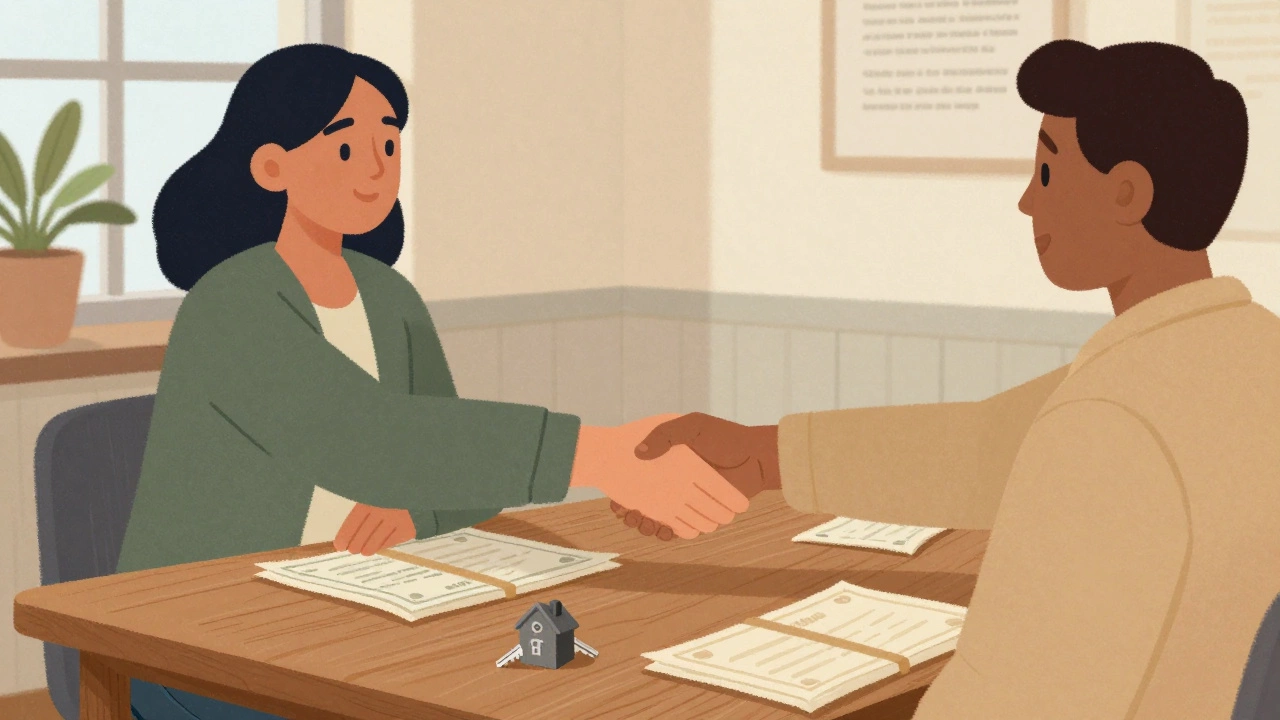
Borrowing from family is another path, but it requires boundaries. Write a formal contract specifying repayment dates and even nominal interest. This protects both parties from tax implications and awkward conversations down the road. Treat private loans like business transactions to maintain trust.
Fixing the Damage to Prevent Future Rejections
Getting money now is important, but staying healthy financially matters more. If you keep getting turned down, your score is working against you. Improving it takes time, but you can accelerate the process. Start by analyzing your credit report for inaccuracies. Mistakes happen, like duplicate accounts or addresses belonging to strangers. Disputing these directly with the bureaus forces them to investigate. Successful disputes often boost scores significantly overnight.
Next, manage your utilization. Lenders love to see you using less than 30% of your available limit on credit cards. If you maxed out a $1,000 limit, try to pay it down to $300 before applying for anything new. Small improvements here can push you over the qualifying threshold. Also, become authorized on a trusted friend's card. Being an authorized user sometimes reflects positive payment history onto your profile without requiring you to open a new account that triggers inquiries.

Dangerous Traps to Avoid at All Costs
Desperation makes us vulnerable to predatory tactics. You will find ads promising guaranteed approvals without checking your credit. Legitimate lenders always check credit. If they claim they won't, run. These offers often hide massive fees or trap you in a cycle of debt. Specifically, avoid online payday lenders. They may offer small checks today, but the Annual Percentage Rate (APR) on these products exceeds 400% in some states. You might borrow $500 to pay bills and end up owing $1,500 months later.Scammers also target people searching for "hardship loans." They claim they can fix credit for a fee. The truth is, you can only fix credit yourself. Never pay a company upfront to promise future results. Reputable services charge after they deliver. Always check complaints with the FTC before handing over personal data.
Building a Financial Safety Net
The ultimate protection against loan denial is having cash on hand. An emergency fund prevents you from needing outside financing during emergencies. Start small. Automate transfers to a separate savings account right after payday. Even $50 a week adds up to nearly $3,000 a year. Over time, this becomes your personal bailout fund. With this resource, you won't need to ask banks for permission to survive unexpected costs like car repairs or medical bills.
Once you stabilize your finances, monitor your credit progress. Tools like FICO tracking apps show you how specific actions change your ranking. Understanding the movement helps you stay disciplined. As your habits improve, your options expand automatically. You go from begging for credit to receiving competitive offers.