
Bitcoin User Profile Finder
Not sure how to use Bitcoin? Answer these questions to find out if you're a Holder, Remitter, Trader, or Privacy Seeker.
Your Profile:
Recommended Tools & Habits
Key Considerations
How Does This Compare to Other Methods?
| Method | Cost | Speed | Accessibility |
|---|
You see the headlines. Bitcoin hits a new high, then crashes. Elon Musk tweets, and the market swings wildly. But while traders are glued to their screens watching candlestick charts, someone else is actually using Bitcoin for something other than speculation. They’re buying coffee in El Salvador, sending money home from Dubai, or just trying to protect their savings from a government that keeps printing more cash. The question isn’t whether Bitcoin works-it does. The question is who is actually holding it, why they’re holding it, and what problem it solves for them right now.
The "Digital Gold" Crowd
A massive chunk of Bitcoin’s user base doesn’t care about buying groceries with crypto. For them, Bitcoin is digital gold. This group treats BTC as a store of value, similar to how people buy physical gold bars but without the hassle of storing heavy metal in a safe. Why do they prefer this? Because gold has limitations. It’s hard to verify, hard to transport across borders, and hard to divide into small pieces. Bitcoin fixes all three issues.
Consider the data. According to blockchain analytics firms like Glassnode, a significant percentage of circulating supply hasn’t moved in over ten years. These are long-term holders, often called HODLers. They aren’t day trading; they’re parking wealth. In countries with high inflation, like Argentina or Turkey, this behavior is even more pronounced. When your local currency loses 50% of its purchasing power in a year, holding assets in USD is risky because of exchange controls, and gold is expensive to acquire. Bitcoin offers a permissionless way to preserve capital. You don’t need a bank’s permission to move your savings into BTC. You just need an internet connection and a private key.
This demographic skews heavily toward tech-savvy individuals and institutional investors. With the approval of Spot Bitcoin ETFs in major markets like the US and Australia, traditional finance players have joined the party. Pension funds and family offices now allocate a tiny slice of their portfolios to Bitcoin, not to get rich quick, but to hedge against monetary debasement. If you’ve ever wondered why big banks are suddenly interested, it’s because their wealthy clients started asking questions about inflation hedges.
Remittance Workers and Cross-Border Senders
If you want to see Bitcoin used in its purest form-peer-to-peer transfer-look at remittances. Millions of migrant workers send money back home to families in developing nations. Traditional methods, like Western Union or SWIFT transfers, are slow and expensive. Fees can eat up 7-10% of the transaction, and it might take days for the money to arrive.
Bitcoin changes the math. Using the Lightning Network, a second-layer solution built on top of Bitcoin, these transfers happen almost instantly and cost fractions of a cent. A worker in Sydney sending $1,000 AUD to a relative in the Philippines can bypass the entire banking infrastructure. The recipient gets the equivalent value in their local currency, often via a local exchange or P2P platform, within minutes.
| Method | Average Cost | Speed | Accessibility |
|---|---|---|---|
| Traditional Bank Wire | $25 - $50 + FX spread | 3-5 Days | Low (Requires bank account) |
| Money Transfer Services | 6% - 8% of amount | 1-2 Days | Medium (Physical locations) |
| Lightning Network | < $0.01 | < 1 Second | High (Smartphone required) |
This isn’t theoretical. Organizations like GiveDirectly have piloted projects sending aid directly to recipients in Africa using stablecoins pegged to the dollar, which run on blockchains including Ethereum and Tron, but Bitcoin remains the foundational asset many trust most. For unbanked populations, having a smartphone wallet is easier than opening a bank account, which often requires proof of address and minimum balances that many cannot meet.
Nation States and Sovereign Adopters
It sounds crazy, but some countries have made Bitcoin legal tender. El Salvador was the first to do it in 2021 under President Nayib Bukele. Since then, the Central African Republic briefly followed suit, though with mixed results. What does this mean for actual users?
In El Salvador, the Chivo wallet app allows citizens to convert Bitcoin to US dollars instantly. While initial adoption was rocky due to technical glitches and public skepticism, usage has grown. Small businesses accept it, and tourists find it convenient. More importantly, the country uses Bitcoin reserves to pay off international debts, showcasing a sovereign-level use case. It’s a geopolitical experiment. By holding Bitcoin, these nations diversify away from the US Dollar, reducing their exposure to American monetary policy.
Other nations are watching closely. Nigeria banned banks from serving crypto exchanges, pushing activity underground where peer-to-peer volume skyrocketed. Meanwhile, jurisdictions like Singapore and Switzerland (specifically Zug, known as Crypto Valley) have created regulatory frameworks that attract businesses. Here, users aren’t just individuals; they are corporations settling invoices in BTC. This institutional adoption creates liquidity and stability, making it easier for regular people to enter and exit positions.
Merchants and Everyday Consumers
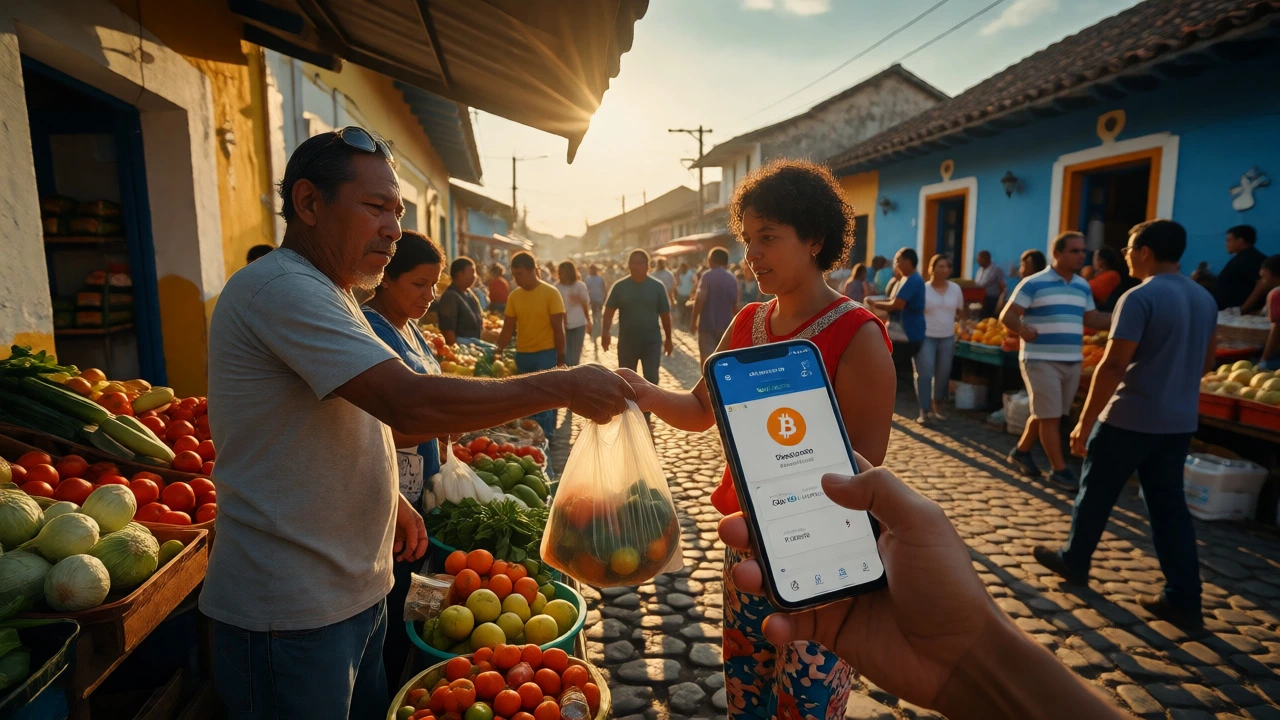
Can you buy a pizza with Bitcoin today? Yes, but it’s complicated. Direct merchant acceptance exists, thanks to payment processors like BitPay or BTCPay Server. However, most consumers don’t hold BTC to spend it directly because of volatility. If you buy a laptop for 0.01 BTC today, and the price doubles tomorrow, you’ve lost half your potential buying power by spending it.
Instead, everyday consumers often use crypto debit cards. Companies like Coinbase or Binance issue Visa/Mastercard-linked cards that automatically sell the required amount of Bitcoin to fund the purchase in fiat currency. This bridges the gap between crypto ownership and real-world spending. You keep the upside potential of holding Bitcoin, but you spend it in dollars, euros, or AUD.
There is also a niche community of direct adopters. Coffee shops in San Francisco, hotels in Las Vegas, and online retailers like Newegg accept Bitcoin directly. For these users, spending Bitcoin is a philosophical statement-a vote for decentralized money. They enjoy the privacy aspect too. Unlike credit cards, which track every purchase and share data with advertisers, Bitcoin transactions can be pseudonymous. No one knows you bought that specific brand of shoes unless you link your identity to the address.
The Speculators and Traders
We can’t ignore the elephant in the room: a huge portion of Bitcoin users are traders. They buy low, sell high, and repeat. This group includes everyone from college students using Robinhood to professional hedge funds running algorithmic strategies. Their goal isn’t to use Bitcoin as money; it’s to profit from price movement.
Traders provide essential liquidity to the market. Without them, the spread between buyers and sellers would be wide, making it expensive for long-term holders to enter or exit. Derivatives markets, such as futures and options on platforms like CME Group, allow sophisticated investors to bet on price direction without owning the underlying asset. This financialization attracts capital that might otherwise stay in stocks or bonds.
However, this speculative nature causes the volatility that scares off average users. When Bitcoin drops 20% in a week, merchants hesitate to accept it, and remittance senders worry about conversion rates. Yet, this volatility is also what attracts new entrants. The promise of asymmetric returns-where you can lose 1x but gain 10x-is a powerful magnet for risk-tolerant investors.

Privacy Seekers and Censorship Resistance
In authoritarian regimes, Bitcoin serves as a lifeline. Journalists, activists, and political dissidents use it to receive donations without fear of seizure. Banks can freeze accounts based on political pressure; they can’t easily freeze a Bitcoin address if the keys are held securely offline.
For example, during protests in Iran or Hong Kong, crowdfunding campaigns often turned to crypto when traditional payment gateways blocked donations. Bitcoin’s censorship-resistant property means no central authority can stop a transaction once it’s broadcast to the network. This utility drives adoption among those who prioritize freedom of movement for their capital above all else.
Additionally, privacy-focused coins exist, but Bitcoin’s security is unmatched. Some users employ CoinJoin techniques or mixers to obscure the trail of their funds, though this comes with compliance risks. Regulators scrutinize these tools, fearing they facilitate illicit activities. Despite this, the core appeal remains: financial sovereignty. You own your money, truly own it, without relying on a third party’s goodwill.
How to Decide Which User You Are
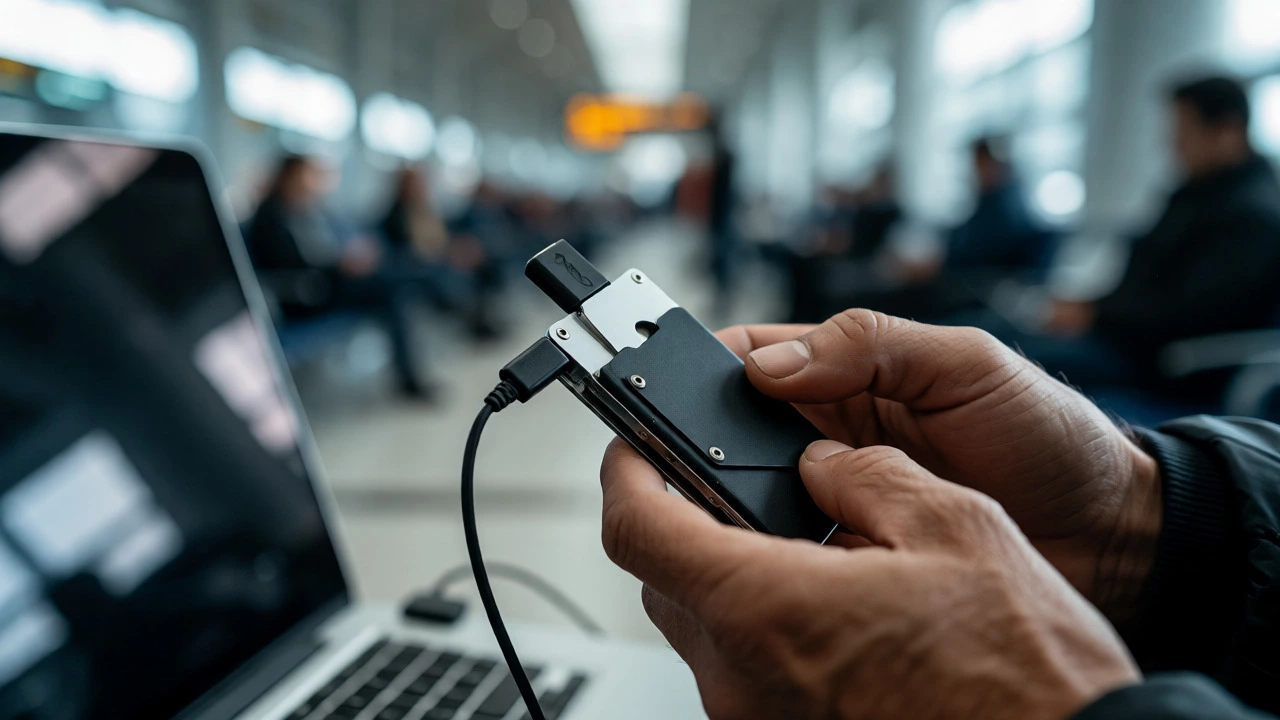
Understanding who uses Bitcoin helps you figure out where you fit. Are you looking for safety from inflation? Look into self-custody hardware wallets. Need to send money abroad cheaply? Explore Lightning-enabled apps. Want to trade for profit? Choose a regulated exchange with good charting tools.
- Long-term Holder: Focus on security. Buy a Ledger or Trezor. Never give your seed phrase to anyone.
- Remitter: Prioritize speed and fees. Use mobile-first wallets integrated with local exchanges.
- Trader: Prioritize liquidity and leverage. Use centralized exchanges with deep order books.
- Philosopher: Run a full node. Verify transactions yourself. Don’t trust, verify.
Each path requires different habits. Holding for ten years means ignoring daily price noise. Trading requires constant attention. Sending remittances demands reliable internet and access to local off-ramps. There is no single "right" way to use Bitcoin, only the way that fits your life goals.
Is Bitcoin really used by regular people?
Yes, millions of regular people use Bitcoin. Many hold it as a savings account alternative to protect against inflation, especially in countries with unstable currencies. Others use it for cross-border payments because it’s faster and cheaper than banks. While speculators dominate the news, long-term holders and practical users make up a large, growing part of the community.
Why do people call Bitcoin "digital gold"?
People compare Bitcoin to gold because both have limited supply. Only 21 million bitcoins will ever exist, creating scarcity similar to gold’s rarity. Like gold, Bitcoin is durable, portable, divisible, and fungible. However, Bitcoin is easier to verify and transmit globally without needing physical storage or trusted intermediaries, making it a modern evolution of sound money.
Can I buy things with Bitcoin everywhere?
Not everywhere, but availability is growing. Major online retailers, some travel agencies, and select brick-and-mortar stores accept Bitcoin directly. In countries like El Salvador, it’s legal tender, so acceptance is widespread. Elsewhere, most people use crypto debit cards that convert Bitcoin to fiat currency at the point of sale, allowing them to spend BTC anywhere Visa or Mastercard is accepted.
What is the Lightning Network?
The Lightning Network is a second-layer technology built on top of Bitcoin that enables instant, low-cost transactions. Instead of recording every small payment on the main blockchain (which is slow and expensive), Lightning handles transactions off-chain in secure channels. When you close a channel, the final balance is settled on the main chain. This makes Bitcoin viable for micro-payments and frequent transfers.
Do governments ban Bitcoin use?
Most major economies regulate rather than ban Bitcoin. Countries like China have restricted trading and mining, while the US and EU focus on taxation and anti-money laundering rules. Some nations, like El Salvador, actively promote it. Bans usually target banks facilitating crypto purchases, driving activity to peer-to-peer markets where users trade directly with each other.