
ISA & Tax-Free Savings Calculator
Your Details
Optimization Result
2025/2026 Rules-
Converted Amount (GBP) £0.00Based on 1 GBP = 1.25 USD
-
ISA Contribution £0.00
Max tax-free growth allowed this year.
-
Surplus (Standard Account) £0.00
Remaining funds parked in high-yield bond/savings.
-
Est. Annual Interest (Surplus) £0.00
Tax Payable £0.00Net After-Tax Return £0.00
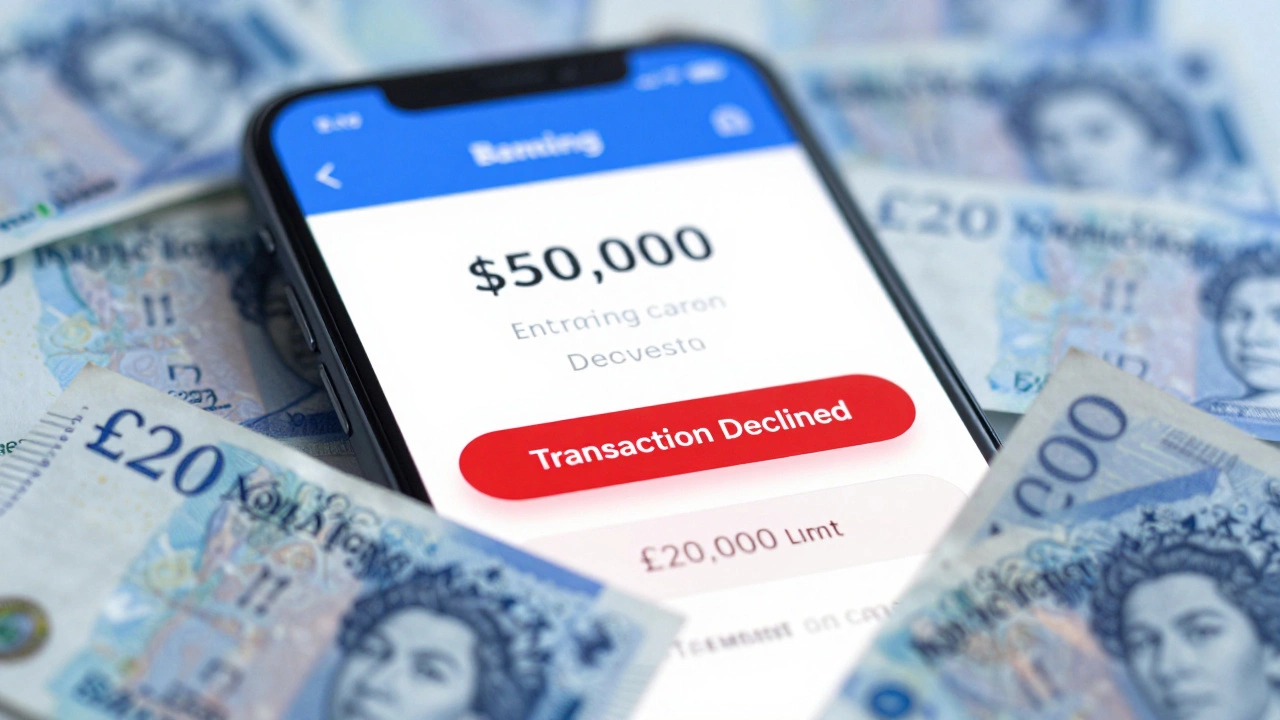
You have $50,000 sitting in your bank account. It’s burning a hole in your pocket, or at least it should be, given how low standard interest rates are on regular current accounts. You want to park that cash somewhere safe where you don’t have to pay taxes on the interest it earns. Your mind goes straight to an Individual Savings Account (ISA). It sounds perfect: tax-free growth, easy access, and government-backed security.
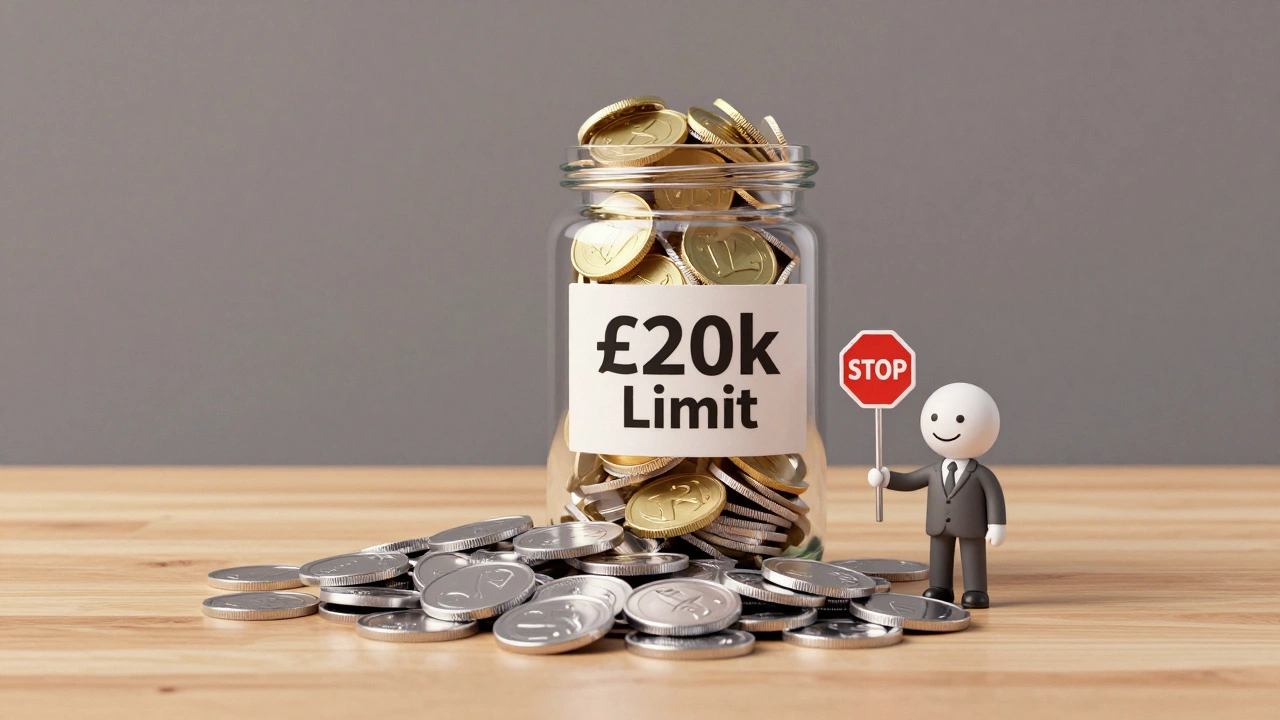
But here is the hard truth that stops most people in their tracks: you cannot put $50,000 into a single Cash ISA all at once. In fact, if you are looking at this from the United Kingdom-where ISAs actually exist-the short answer is no. The annual subscription limit for the 2025/2026 tax year is strictly capped at £20,000. Even if you convert that $50,000 to pounds, you would still exceed the limit significantly.
This isn't just a bureaucratic hurdle; it's a fundamental rule of the UK tax system designed to keep these accounts accessible to average earners, not just the ultra-wealthy. If you try to deposit more than the allowance, the provider will reject the transaction, or worse, you could accidentally breach your tax-free status for the year. So, what do you actually do with that extra money? Let’s break down exactly how the limits work, why they exist, and where your surplus cash can go to still earn a decent return without getting penalized by HMRC.
The Hard Cap: Understanding the Annual Allowance
To understand why your $50,000 plan hits a wall, we need to look at the mechanics of the ISA allowance. An ISA is not just a type of bank account; it is a legal wrapper around your investments or savings. The government allows you to fill this wrapper with up to a certain amount each tax year without paying Income Tax or Capital Gains Tax on the profits.
For the 2025/2026 tax year (which runs from April 6, 2025, to April 5, 2026), the total ISA allowance remains at £20,000. This figure has been frozen for several years despite inflation, meaning its real purchasing power has eroded slightly. However, the limit is strict. It applies to the total amount you subscribe to across all types of ISAs combined.
Here is how the math works against the $50,000 figure:
- Currency Conversion: Assuming an exchange rate of roughly 1 GBP = 1.25 USD, your $50,000 is approximately £40,000.
- The Limit: You can only put £20,000 into any ISA product for this tax year.
- The Surplus: You have £20,000 left over that cannot go into an ISA this year.
If you already contributed to a Stocks and Shares ISA or a Lifetime ISA earlier in the year, your available space for a Cash ISA shrinks further. There is no "rollover" provision either. If you only put in £10,000 this year, you cannot carry the unused £10,000 forward to next year. Use it or lose it. This creates a sense of urgency for savers who want to maximize their tax efficiency, but it also means you have to be strategic about where the rest of your money goes.
Why Can't You Just Open Two ISAs?
A common misconception among new savers is that they can open two different Cash ISAs to double their limit. For example, putting £10,000 in Bank A and £10,000 in Bank B. While you can split your allowance between providers, you cannot exceed the total £20,000 cap.
More importantly, there is a stricter rule regarding Cash ISAs specifically: the "One Provider Rule." You are allowed to open only one Cash ISA per provider per tax year. You cannot open two separate Cash ISAs with the same bank to get better interest rates or bonuses. If you want to compare rates, you must switch providers entirely or use the remaining allowance with a completely different bank.
However, you can split your £20,000 allowance between different types of ISAs. For instance, you might put £4,000 into a Lifetime ISA (LISA) to benefit from the government bonus, and the remaining £16,000 into a Cash ISA. This flexibility allows you to tailor your savings strategy to your specific goals, whether that's buying a first home or just building an emergency fund.
| ISA Type | Max Contribution | Best For | Key Restriction |
|---|---|---|---|
| Cash ISA | Up to £20,000 | Tax-free interest on savings | One per provider per year |
| Stocks & Shares ISA | Up to £20,000 | Long-term investing in shares/funds | Market risk involved |
| Lifetime ISA (LISA) | £4,000 | First home or retirement | Government adds 25% bonus |
| Innovative Finance ISA | Up to £20,000 | P2P lending | Higher risk, potential default |
What Happens to the Remaining £30,000?
So, you’ve maxed out your £20,000 ISA allowance. You still have roughly £30,000 (or the equivalent of your remaining $37,500) that needs a home. Leaving it in a basic current account earning 0.01% interest is financial suicide in today’s environment. But you can’t just dump it into another ISA. Where does it go?
Your best alternative is a standard high-yield savings account or a fixed-rate bond. These accounts are not tax-wrapped like ISAs, which means the interest you earn is taxable. However, thanks to the Personal Savings Allowance, many taxpayers won’t pay any tax on this interest anyway.
Here is how the Personal Savings Allowance works for the 2025/2026 tax year:
- Basic Rate Taxpayers (20%): You can earn up to £1,000 in interest tax-free.
- Higher Rate Taxpayers (40%): You can earn up to £500 in interest tax-free.
- Additional Rate Taxpayers (45%): You get no personal savings allowance.
If you are a basic rate taxpayer, you can earn £1,000 in interest outside of your ISA without paying a penny in tax. With current competitive fixed bonds offering around 4-5% interest, £30,000 would generate roughly £1,200-£1,500 in interest annually. You would only pay tax on the amount exceeding £1,000. That’s a very manageable tax bill for significant tax-free gains elsewhere.
For higher rate taxpayers, the math is tighter. You’d pay 40% tax on interest above £500. Still, after-tax returns from a 4.5% bond are often better than leaving money idle. The key is to shop around. Don’t settle for the 0.5% your main bank offers. Look for fixed-term bonds from challenger banks or building societies that offer 4%+ for one to three years.
Common Mistakes When Handling Large Deposits
When moving large sums of money like $50,000, mistakes happen quickly. Here are the pitfalls to avoid to ensure your money stays safe and compliant.
1. Accidentally Breaching the Subscription Limit
If you transfer £20,000 into a Cash ISA and then later decide to move another £5,000 from a different account into the same ISA, you have breached your limit. The provider is required to report this to HMRC. While they won’t fine you immediately, you may be liable for tax charges on the excess amount plus interest. Always check your remaining allowance before making transfers.
2. Confusing Withdrawals with Subscriptions
You can withdraw money from your ISA at any time (unless it’s a Fixed Cash ISA with an early withdrawal penalty). However, withdrawing money does not free up your allowance. If you put in £20,000, take out £5,000, and then try to put £5,000 back in, you are still over your limit. The allowance is based on what you put in, not what stays in.
3. Ignoring Currency Risk
If your $50,000 is held in US Dollars, converting it to Pounds Sterling exposes you to forex risk. If the Pound strengthens against the Dollar while your money is saved, you effectively lose value when you convert it back. Consider keeping a portion of your savings in USD-denominated accounts if you anticipate needing those dollars in the future, even if the interest rates are slightly lower.

Strategic Planning for Next Year
Since you can’t stuff all $50,000 into an ISA today, you need a plan for the future. The beauty of ISAs is that they are cumulative. Money you put in last year stays tax-free forever, as long as it remains in the ISA. This is known as "carrying forward" your balance, though not your allowance.
Here is a smart strategy for handling your surplus funds:
- Max Out This Year: Immediately deposit the maximum £20,000 into a flexible Cash ISA. Choose one with instant access so you can move money around if needed.
- Park the Rest: Place the remaining ~£30,000 in a high-yield notice account or a fixed bond. Ensure this account is easily accessible when the new tax year begins.
- Reset on April 6: On the first day of the new tax year (April 6, 2026), your ISA allowance resets to £20,000. You can then transfer another chunk of your savings into your ISA.
- Repeat Annually: By doing this every year, you gradually build a massive tax-free nest egg. In five years, you could have £100,000 tax-free, plus the interest earned on the amounts kept outside the ISA during the interim periods.
This approach requires discipline. It’s tempting to spend the surplus or invest it in risky ventures. But by treating your non-ISA savings as a "holding tank" for future tax-efficient contributions, you maximize both immediate returns and long-term tax savings.
Alternatives to Cash ISAs for Large Sums
If you find the ISA limits too restrictive, consider other tax-efficient vehicles. While not as simple as a Cash ISA, they offer ways to grow larger sums without heavy tax burdens.
Stocks and Shares ISAs: If you are comfortable with some risk, you can invest your £20,000 allowance in a global index fund within a Stocks and Shares ISA. Historically, equities outperform cash savings over the long term. The downside is volatility; your £20,000 could drop to £18,000 in a bad market year. Cash ISAs guarantee your capital is safe.
General Investment Accounts (GIAs): For the surplus money, you can open a GIA. This is a standard brokerage account. You have an annual Capital Gains Tax allowance (currently £3,000 for 2025/2026). Any gains above this are taxed at 10% or 20%, depending on your income tax bracket. This is less efficient than an ISA but better than nothing for amounts exceeding your ISA limit.
Pension Contributions: If you are willing to lock away money until retirement, pensions offer much higher tax relief. For every £80 you contribute, the government adds £20 (basic rate relief). Higher rate taxpayers get even more relief through self-assessment. This is arguably the most tax-efficient way to save large sums, but the money is inaccessible until age 55 (rising to 57 in 2028).
Can I put $50,000 into a Cash ISA if I am not a UK resident?
No. ISAs are exclusively for UK residents. If you live abroad, you generally cannot open a new ISA or contribute to an existing one, unless you are a Crown Servant working overseas. Non-residents should look into local tax-advantaged savings accounts in their country of residence.
What happens if I accidentally deposit more than £20,000 into my ISA?
Your provider must inform HMRC. You may face a tax charge on the excess amount plus interest. To fix this, you should contact your provider immediately to withdraw the excess funds. They may help you correct the error, but you should act quickly to minimize penalties.
Does the £20,000 limit apply to the balance or the contribution?
It applies to the contribution (subscription). You can have a balance of £100,000 in your ISA from previous years, but you can only add £20,000 in the current tax year. Interest earned inside the ISA does not count towards the limit.
Can I transfer my old ISA to a new provider to get a better rate?
Yes, you can transfer the entire balance of an old ISA to a new provider without affecting your current year's allowance. This is called an ISA transfer. Never withdraw the money yourself and re-deposit it, as this would count as a new subscription and could breach your limit.
Is there a penalty for taking money out of a Cash ISA early?
Most modern Cash ISAs are "flexible," meaning you can withdraw money without losing your allowance for that year. However, some fixed-rate Cash ISAs impose penalties or reduce interest if you withdraw before the term ends. Always check the terms before opening the account.